


Excessive Screen Time Is Giving Children Adult Diseases: Rising Cases of Obesity, Myopia and Type-2 Diabetes
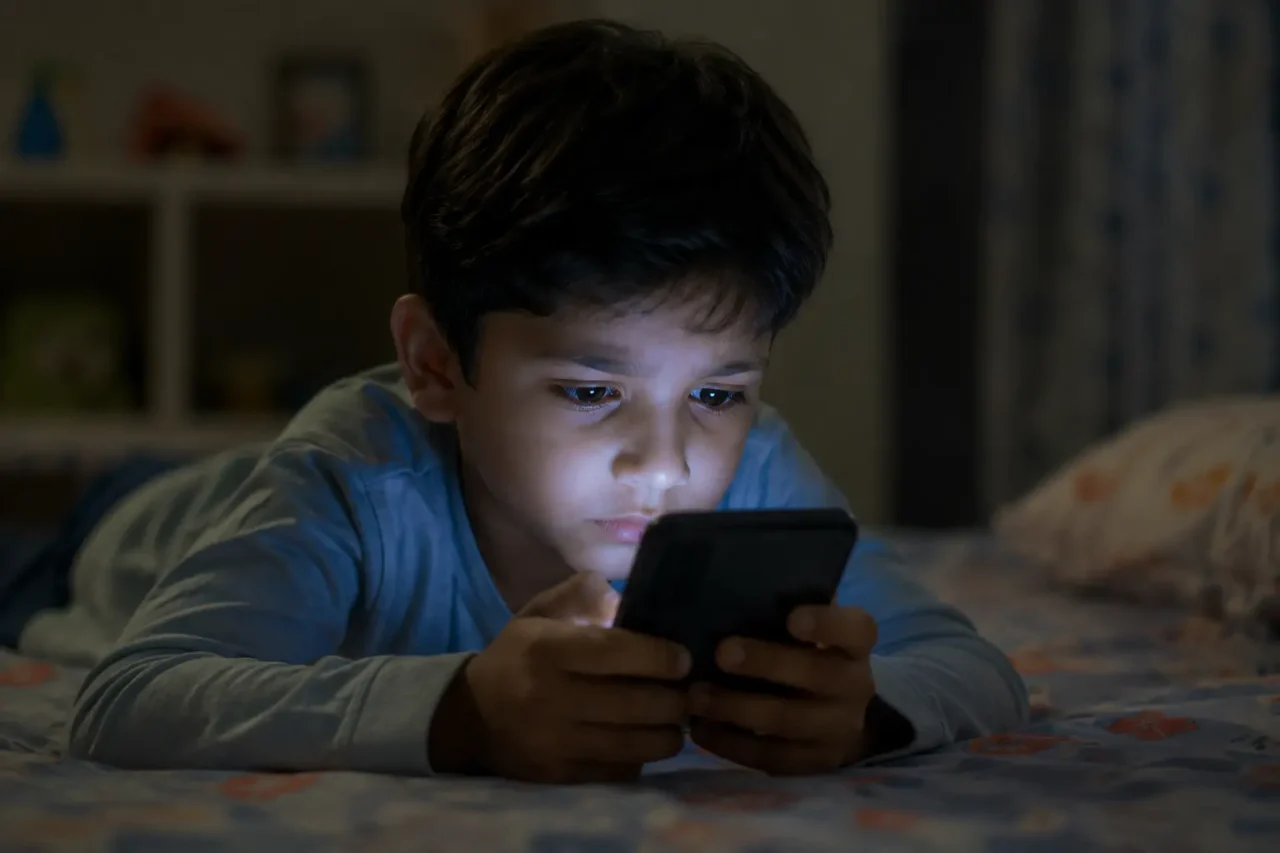
Children today are spending more time than ever on smartphones, tablets, televisions and other digital devices. While technology has become an essential part of education and entertainment, health experts are warning that excessive screen exposure is causing serious health problems in children—many of which were once considered adult diseases.
Conditions such as obesity, Type-2 diabetes, poor eyesight, sleep disorders and mental health concerns are now being diagnosed in children at alarming rates, prompting doctors to urge parents to take action.
Seven-Year-Old Abhiraj’s Story Highlights a Growing Concern
When the parents of seven-year-old Abhiraj visited a doctor because of his rapid weight gain, they were surprised by what they learned during the consultation.
Doctors discovered that Abhiraj regularly ate meals while watching television or scrolling on a mobile phone. Because he was distracted by screens, he often consumed more food than his body actually needed.
Health experts say this pattern is becoming increasingly common among children and is contributing significantly to childhood obesity and related health issues.
How Excessive Screen Time Affects Children’s Health
1. Obesity and Type-2 Diabetes
One of the biggest concerns linked to excessive screen use is childhood obesity. Children who spend long hours on screens are often physically inactive and burn fewer calories.
According to health experts, obesity increases the risk of developing Type-2 diabetes, a condition that was once mostly seen in adults. Doctors are now reporting more cases of insulin resistance and Type-2 diabetes among school-age children.
2. Eye Strain and Myopia
Children who spend extended periods looking at screens at close distances may be at a higher risk of developing myopia, commonly known as nearsightedness.
Researchers have found that prolonged screen exposure and reduced outdoor activity can contribute to worsening eyesight. Many eye specialists are witnessing a steady increase in the number of children requiring corrective glasses at younger ages.

3. Sleep Problems and Fatigue
Smartphones, tablets and televisions emit blue light, which can interfere with the body’s production of melatonin—the hormone responsible for regulating sleep.
When children use screens before bedtime, they may struggle to fall asleep or experience poor-quality sleep. Over time, sleep deprivation can affect concentration, academic performance, mood and overall health.
4. Neck and Back Pain
Posture-related problems are no longer limited to office workers. Children who spend hours using mobile phones or tablets often bend their necks forward for prolonged periods.
This can lead to neck pain, back pain and muscle strain. Health experts warn that poor posture habits developed during childhood may lead to long-term musculoskeletal problems.
Feeding Babies Pumped Breast Milk at the Right Time May Boost Sleep and Health, Study Finds
5. Stress, Anxiety and Mental Health Concerns
Mental health professionals are increasingly concerned about the psychological effects of excessive screen time.
Studies suggest that prolonged exposure to digital devices may be associated with anxiety, depression, behavioral issues and reduced social interaction. Excessive dependence on screens can also affect emotional regulation and healthy social development.
Expert Opinion
According to psychiatrist Dr. Avinash D’Souza, modern children are becoming increasingly disconnected from outdoor activities, nature and face-to-face social interaction.
He emphasizes that physical play, outdoor experiences and real-world engagement are essential for healthy brain development, emotional well-being and physical fitness.
“Children need opportunities to move, explore and interact with the real world. Balanced screen use is important, but it should never replace active play and meaningful social experiences,” he explains.
How Parents Can Reduce Screen Time
Health experts recommend the following strategies:
- Provide a balanced and nutritious diet.
- Encourage at least one to two hours of outdoor play every day.
- Stop screen use at least one hour before bedtime.
- Avoid mobile phones and television during meals.
- Monitor screen exposure, including educational screen use.
- Encourage sports, reading, art and creative hobbies.
- Create screen-free family time every day.
- Set age-appropriate screen time limits and follow them consistently.
Why Early Intervention Matters
The habits children develop today can significantly influence their future health. Excessive screen exposure not only affects physical fitness but can also impact sleep quality, academic performance, emotional health and social skills.
Experts believe that early intervention by parents can help prevent many of these health complications and encourage healthier lifestyle choices.
Conclusion
Digital devices are an important part of modern life, but excessive screen time can have serious consequences for children’s health. Rising cases of obesity, Type-2 diabetes, myopia, sleep disturbances and mental health issues highlight the need for greater awareness.
By setting healthy boundaries around screen use and encouraging outdoor activities, parents can help ensure their children grow up healthier, happier and more active.
Source: Navbharat Times