


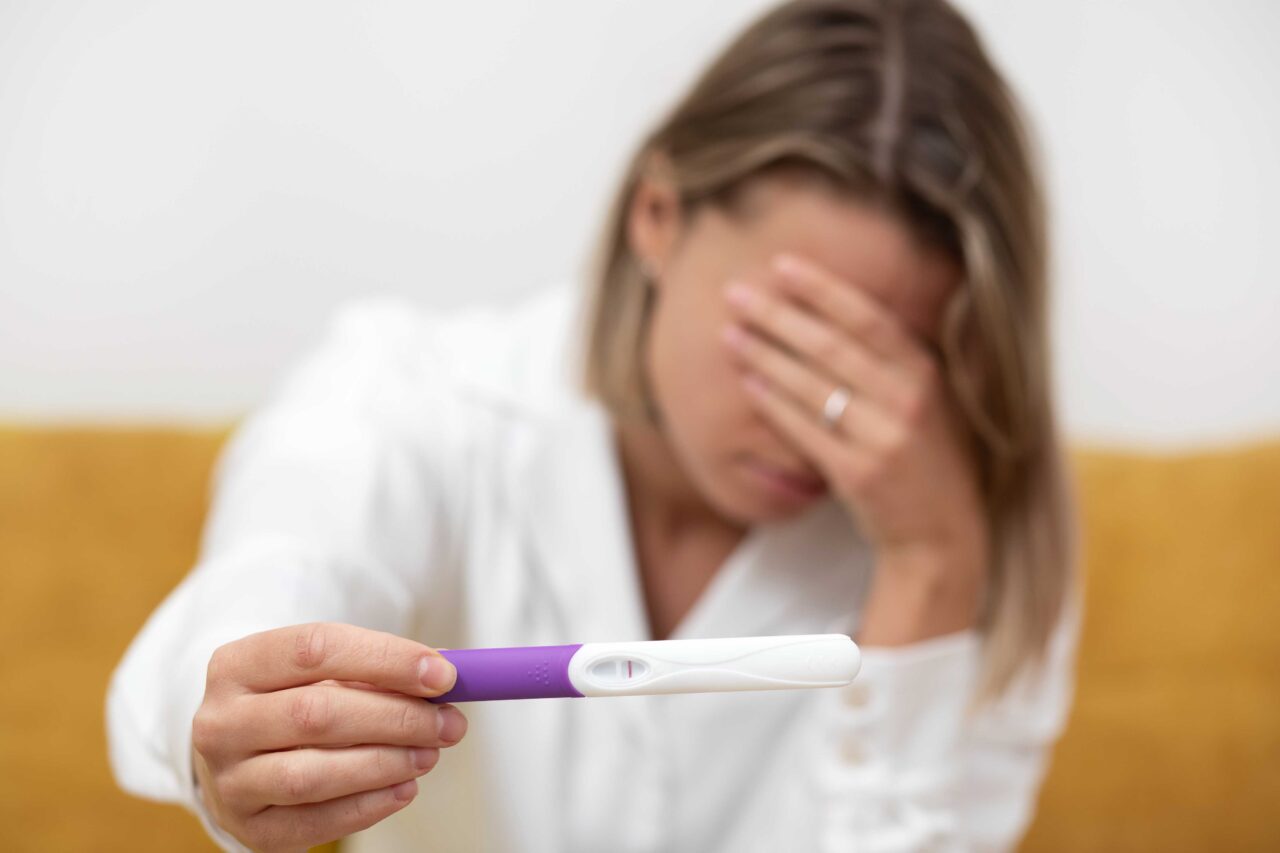
A recent study conducted by Mumbai’s Cama and Albless Hospital has highlighted a growing concern among urban couples—infertility linked to delayed childbearing and modern lifestyle factors. The findings suggest that changing social trends, late marriages, and lifestyle-related health issues are contributing significantly to fertility challenges in cities.
What Is Infertility?
Infertility is a disease of the male or female reproductive system characterized by the inability to achieve a clinical pregnancy after 12 months or more of regular, unprotected sexual intercourse. The condition can arise due to male factors, female factors, or a combination of both.
Key Findings From the Mumbai Study
The study, conducted between August and October 2025 among 60 patients at Cama Hospital’s IVF department, revealed several important trends:
- 96.6% of patients were from urban areas, indicating greater awareness and access to infertility treatment in cities compared to rural regions.
- 46.6% of patients were aged between 31 and 35 years, suggesting that many couples seek treatment only after delaying parenthood.
- 41.6% had been married for 5–10 years before approaching fertility specialists.
- 51.67% were diagnosed with primary infertility, meaning they had never conceived before.
- Nearly 28.4% had been struggling with infertility for more than 10 years.

Hormonal Issues Among Leading Causes
Researchers found that ovulatory dysfunction and hormonal imbalances were among the most common causes of infertility in women. Conditions such as irregular ovulation can significantly reduce the chances of natural conception.
Experts say factors such as stress, sedentary lifestyles, poor dietary habits, obesity, smoking, alcohol consumption, and delayed pregnancies may contribute to fertility problems.
Most Common Treatments Used
The study found that:
- Ovulation induction was the most commonly used treatment, accounting for 56% of cases.
- Intrauterine insemination (IUI) was used in 33% of patients.
These treatments are often considered before moving to more advanced assisted reproductive technologies.
Positive Pregnancy Outcomes
Despite the challenges, the study reported a pregnancy rate of 8.3%, which researchers noted is comparable to outcomes seen at other public assisted reproductive technology (ART) centers across India.
According to Dr. Tushar Palve, Medical Superintendent at Cama Hospital, the findings underscore the importance of government-run fertility centers in providing affordable and accessible infertility care.
Pregnancy Between 20-30 Age Is Safer for Both mother and Child: Dr. Shital Kasat
Why the Findings Matter
With more people focusing on education, careers, and financial stability before starting families, the average age of first-time parents is increasing. While many couples successfully conceive later in life, fertility naturally declines with age, particularly for women.
Health experts recommend that couples who have been trying to conceive for a year without success—or six months if the woman is over 35—seek medical advice early rather than delaying evaluation and treatment.