


Columbia, South Carolina: A 12-year-old boy has tragically died after contracting a rare but deadly brain infection caused by a microscopic organism, Naegleria fowleri—commonly known as the brain-eating amoeba—after swimming in popular Lake Murray.
Jaysen Carr, a middle schooler described by loved ones as a kind-hearted and spirited child, became fatally ill shortly after enjoying one of his favorite pastimes—swimming in the scenic lake. His family is now grappling with unimaginable grief while seeking answers and raising awareness to prevent such a tragedy from happening again.

According to local media outlet WIS News 10, Jaysen’s family released a heartbreaking statement confirming his passing and expressing gratitude for the outpouring of love and support from the community.
“Jaysen’s strength inspired many. While we mourn his loss, we are also thankful for the overwhelming kindness shown to us,” the family said. “We have many questions about how this happened—and we want to ensure no other family has to go through this nightmare.”
Diagnosis of Fatal Brain Disease
Jaysen had gone swimming in Lake Murray, a popular recreational destination near Columbia, South Carolina, with no known warnings about bacterial or amoebic risks in the water. On July 7, just days after his swim, he was diagnosed with an infection caused by Naegleria fowleri.
The infection, known as primary amoebic meningoencephalitis (PAM), is a rare but nearly always fatal brain disease. The amoeba enters the body through the nose and travels to the brain, causing severe inflammation and damage.
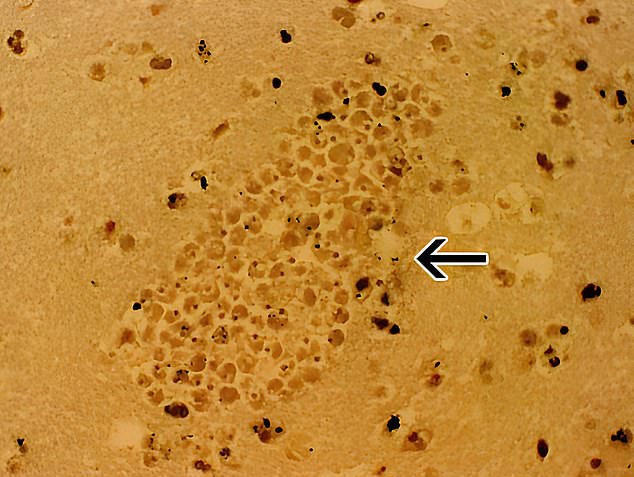
Jaysen was treated at Prisma Health Children’s Hospital, where doctors did all they could, but he sadly succumbed to complications from the infection.
A Rare But Deadly Threat
The South Carolina Department of Public Health (DPH) confirmed that Jaysen’s likely exposure occurred at Lake Murray. They emphasized that while the amoeba exists naturally in warm freshwater bodies like lakes, rivers, and hot springs, infections are extremely rare.
Between 1962 and 2023, only 164 cases were reported across the United States, with just four survivors. South Carolina had not seen a case since 2016.
“Though tragic, this is not considered a wider public health emergency,” said officials. “People should continue to enjoy recreational water activities while being aware of the extremely rare risks.”
While Naegleria fowleri infections remain rare, there is concern that they may become more common due to climate change.
What is Naegleria fowleri?
The single-cell organism often dubbed the brain-eating amoeba, Naegleria fowleri is a free-living microscopic organism typically found in warm freshwater. Infection occurs when contaminated water enters the body through the nose—most commonly while swimming or diving.
Symptoms usually appear within 1–12 days and include a headache, Fever, Nausea and vomiting. A person can then suffer cognitive issues and a stiff neck as things progress.
Once symptoms begin, the disease progresses rapidly, often causes severe swelling, and eventually rotting, of the brain and spinal cord. This will almost always eventually lead to death.
There are no consistently effective treatments for PAM, although a few survivors have been reported, including Caleb Ziegelbauer, a Florida teen who now requires a wheelchair and communicates through facial expressions due to severe brain damage.
Source: Daily Mail