

Only 3.9% of young women aged 15-29 exercise daily, compared to 14.8% of men in the same age group.
Women in India have made significant strides in sports, science, politics, and the corporate world, yet their participation in fitness remains alarmingly low. According to the Government of India’s Time Use Survey, only 3.9% of young women aged 15–29 exercise daily, compared to 14.8% of men in the same age group. The nationwide survey, which covered 450,000 people, revealed a striking gender gap in fitness awareness.
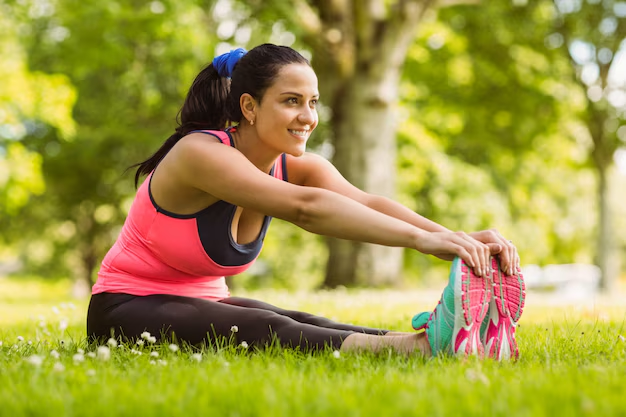
Lack of regular exercise has been directly linked to rising cases of obesity, diabetes, heart disease, and depression. Experts warn that once exercise slips out of routine, it becomes difficult to adopt it again. Hence, this is not merely a gender-equality issue but a serious concern tied to national health.
Clear Gap in Opportunities
The survey also showed that women, on average, exercise for 46 minutes per day, while men spend 64 minutes. This highlights both the disparity in approach toward fitness and the inequality in available opportunities.
Children in India Are Facing Rising Cholesterol and Triglyceride Levels!
Why Women Participate Less
- Lack of safe public spaces: Parks and grounds are often male-dominated, while venturing out early morning or late evening feels unsafe.
- Fewer opportunities: Boys are actively encouraged to go to gyms and sports activities, but girls often face restrictions, especially after adolescence.
- Domestic responsibilities: Household chores, studies, and family duties leave little time for exercise.
-
Social mindset: Fitness and exercise for women are still not viewed as a priority.
What Needs to Change
- Safe infrastructure: Well-lit parks, and women-only or community gyms should be established.
- Educational encouragement: Sports and physical activities must be made mandatory for both boys and girls in schools and colleges.
- Family support: Girls should be motivated from a young age to pursue yoga, sports, and physical fitness.
- Awareness campaigns: Promote exercise, running, gyms, and team sports for women at both family and societal levels.