

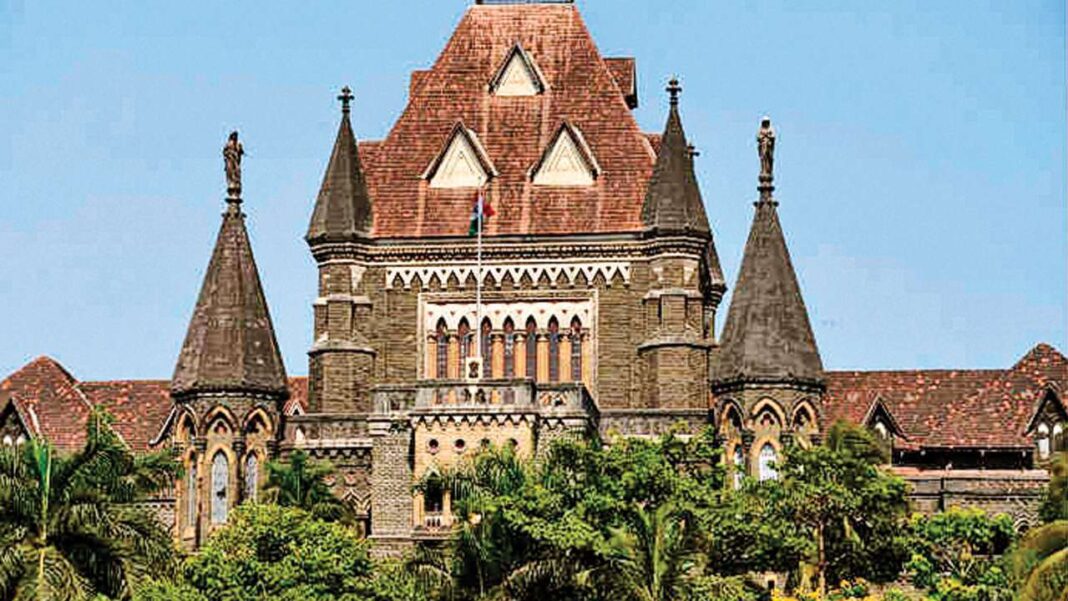
Bombay HC Allows Termination of 35-Week Pregnancy Due to Fetal Anomaly

In a significant ruling, the Bombay High Court has granted permission for the medical termination of a 26-year-old woman’s pregnancy at 35 weeks. The court’s decision was based on a medical board report from J J Hospital, which confirmed severe fetal anomalies that rendered the baby “incompatible with life.”

Last month, the woman discovered that her fetus suffered from congenital macrocephaly—an abnormal enlargement of the head—accompanied by a serious brain defect. The medical board’s report highlighted the likelihood of the baby experiencing drug-resistant seizures, intellectual disabilities, severe weakness, vision impairment, and developmental delays. Additionally, there was a risk of the fetus being born alive, necessitating neonatal intensive care (NICU) support.

Considering the woman’s reproductive rights, bodily autonomy, and the medical board’s assessment, Justices Revati Mohite Dere and Neela Gokhale granted approval for the medical termination of pregnancy (MTP). The court cited the guidance note issued by the Union government in August 2018, which has been adopted by the Maharashtra government, as reported by the TOI.

Legal Basis for Termination

Advocate Meenaz Kakalia, representing the woman, referenced Clause V (c) of the guidance note, which allows the cessation of the fetal heartbeat via an ultrasound-guided procedure for pregnancies beyond 24 weeks. This provision ensures that the fetus is not delivered alive in such critical cases. The court directed the authorized medical practitioner to proceed with the MTP if deemed necessary.

This ruling underscore the judiciary’s recognition of reproductive rights while ensuring that legal and medical guidelines are adhered to in complex pregnancy cases.

Hot this week

Maternal Health Crisis in the U.S. Puts Infants at Higher Risk, New Study Finds

Improving women’s health is vital not only for mothers...

Two in Three Women Have Preventable Risk Factors for Birth Defects, Study Finds

According to the researchers, these factors can disrupt one-carbon...

Study Finds Toxic Lead and Uranium in Children’s Blood in Punjab and Chandigarh

Toxic metals like lead and uranium in children’s blood...

Gynaecologists to Use AI for Reducing Maternal Mortality in India

Maternal and childcare is one of India’s key health...

Only 4% of Young Indian Women Exercise Daily, Survey Reveals

Only 3.9% of young women aged 15-29 exercise daily,...

Topics

Maternal Health Crisis in the U.S. Puts Infants at Higher Risk, New Study Finds

Improving women’s health is vital not only for mothers...

Two in Three Women Have Preventable Risk Factors for Birth Defects, Study Finds

According to the researchers, these factors can disrupt one-carbon...

Study Finds Toxic Lead and Uranium in Children’s Blood in Punjab and Chandigarh

Toxic metals like lead and uranium in children’s blood...

Gynaecologists to Use AI for Reducing Maternal Mortality in India

Maternal and childcare is one of India’s key health...

Only 4% of Young Indian Women Exercise Daily, Survey Reveals

Only 3.9% of young women aged 15-29 exercise daily,...

Beyond the Glamour: Celebrities Share Emotional Struggles During Childbirth

Their stories shed light on the hidden struggles of...

UNICEF’s Call to Action: Tackling the Rising Burden of NCDs in Children and Adolescents

Unlike infectious diseases, NCDs are not passed from person...

Children in India Are Facing Rising Cholesterol and Triglyceride Levels!

Kerala and Maharashtra had the lowest prevalence rates, at...

Related Articles

Translate »