


Recent advances in healthcare are highlighting health concerns that were once brushed aside. One such issue is the physical burden of heavy breasts—a condition now gaining recognition not just for its cosmetic implications but for its serious impact on women’s health and quality of life.
More Than Just Aesthetic: The Weight of the Problem
Medical experts now stress that large breasts can lead to chronic neck, shoulder, and back pain, often without women realizing the root cause. The condition is frequently overlooked—even by healthcare providers—despite its physical and emotional toll.
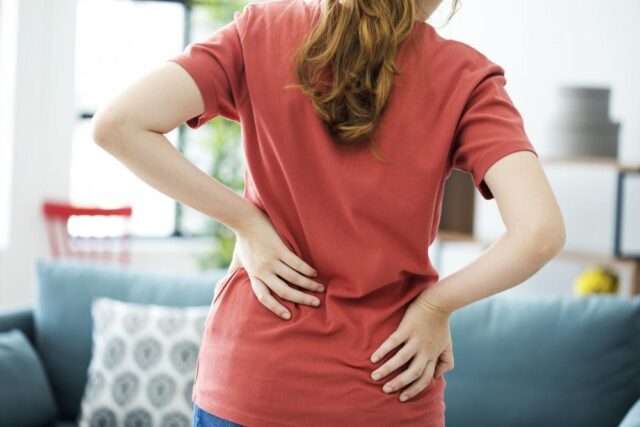
“There’s a clear link between obesity and breast heaviness,” says Dr. Gurukarna Vemula, Director at Personiks Cosmetic and Plastic Surgery Centre. He notes a steady increase in breast reduction surgeries, including among women in smaller towns, who are now more aware of how this condition affects their daily lives.
Real Stories, Real Struggles
Dr. Vemula recalls a recent case involving a 50-year-old woman who arrived with her daughter for consultation. “She had been dealing with persistent back pain for years, unaware that her breast size was a factor—until her gynaecologist referred her to us,” he shared. “Today, women from even non-metro areas are seeking relief through breast reduction surgery, which has become safer and more refined over the years.”
He also spoke about gigantomastia, also known as macromastia or breast hypertrophy—a rare but debilitating condition involving excessive breast tissue growth. It can significantly impact a woman’s physical comfort, emotional health, and social interactions.
Causes and Treatments
Dr. B Menaka, consultant gynaecologist at Kamineni Hospital, explains that hormonal changes, pregnancy, and obesity are common triggers for the condition. In milder cases, she recommends lifestyle changes like weight management, but for severe symptoms, surgical intervention is often the best course.

“Young women in particular face social stigma and embarrassment, which can affect their mental health and academic performance,” she says. “It’s important they recognise this as a legitimate medical issue that deserves proper attention.”
A Mother’s Perspective
Suchitra, a private-sector employee, opened up about her daughter’s recent breast reduction surgery. “She would frequently skip college due to discomfort. She also had skin issues in the folds of her breasts and later began suffering from neck pain,” she said. “Surgery was a difficult decision, but it’s already made a huge difference in her life.”
As awareness grows and more women seek help, experts hope the stigma around breast-related health conditions will continue to fade—making way for timely diagnosis and effective treatment.
————-
Source: The Times of India