


The virus can survive on surfaces for hours, increasing the risk of indirect spread. Shared toys, books, and desks in schools often become hotspots for infection.
Mumbai: Delhi and Haryana are witnessing a sudden rise in Hand, Foot and Mouth Disease (HFMD) cases among young children, prompting some schools to issue advisories, shift to online classes, and intensify sanitisation drives. While the viral infection is usually mild, it spreads rapidly—especially among children aged 3 to 7 years.
What is HFMD?
HFMD is a highly contagious viral infection caused by Coxsackievirus A16 or Enterovirus 71. It primarily affects children between the ages of 3 and 7 years, though older children and adults can also get infected.

Dr. Shruti Dhale, Pediatrician, Professor and Head of Department, GMC Alibaug, explains that since this is a contagious viral infection, school-going children are at the highest risk. It spreads through contact with an infected person.
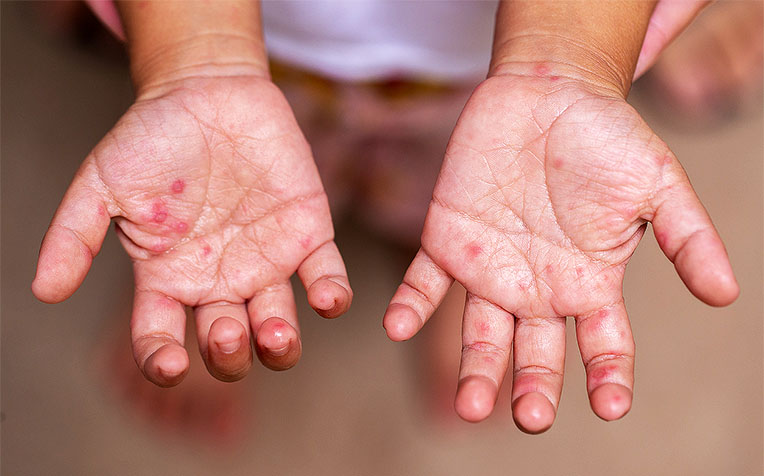
“In the beginning, small round bubbles appear on the skin. Along with fever, red rashes or blisters may appear on the mouth, hands, and feet. Children with strong immunity usually recover in 2–3 days, but those with weak immunity may take longer. They may also lose their appetite,” Dr. Dhale said.
How Does It Spread?
HFMD spreads quickly in group settings such as schools and daycares. Transmission occurs through:
- Respiratory droplets (saliva, nasal discharge)
- Stool or fluid from the blisters of an infected child
- Contaminated surfaces, toys, utensils, or unwashed hands
The virus can survive on surfaces for hours, increasing the risk of indirect spread. Shared toys, books, and desks in schools often become hotspots for infection. The contagious period typically lasts about a week after fever begins, making timely isolation essential.
Precautions Parents Should Take
Parents of affected children should be extra cautious. If symptoms appear, they should:
- Maintain proper hygiene at home
- Keep the child well-hydrated
- Provide nutritious meals to strengthen immunity
- Avoid sending the child to school and ensure adequate rest at home
There’s no specific treatment for hand-foot-and-mouth disease. But certain medicines such as Crocin can ease pain and general discomfort in the meantime, said Dr. Dhale.


 cases among young children, prompting some schools to issue advisories, shift to online classes, and intensify sanitisation drives. While the viral infection is usually mild, it spreads rapidly—especially among children aged 3 to 7 years.)