



The growing addiction to short videos or “reels” on social media is now not just affecting mental health but also emerging as a serious threat to eye health. Doctors have raised concerns that spending hours on platforms like Instagram, Facebook, and YouTube is significantly increasing the risk of eye-related disorders such as Myopia.
Rising screen time, especially among children and youth, is leading to a sharp spike in cases of myopia (nearsightedness). To address this, a national-level meeting is scheduled this month involving doctors, NITI Aayog members, Human Rights Commission officials, and representatives from the Union Ministries of Health and Education. The Asia Pacific Academy of Ophthalmology and the All-India Ophthalmological Society (AIOS) have released detailed insights on the issue.
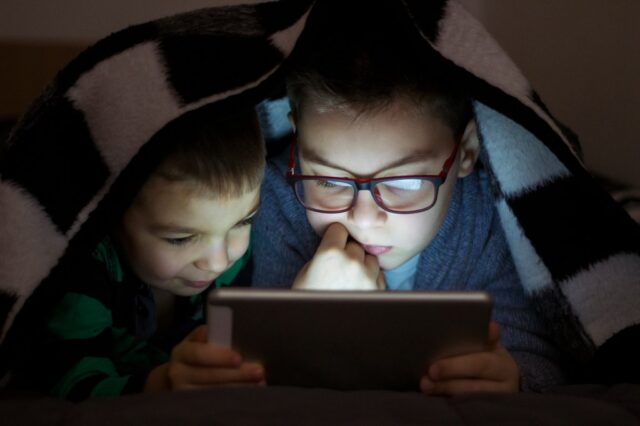
Experts are particularly concerned about increasing myopia in children glued to reels for hours daily. According to Dr. Harbansh Lal, former president of AIOS, excessive screen time drastically reduces the frequency of blinking—by up to 50%. This leads to dry eye syndrome and prolonged strain on the eyes, which can have lasting effects. He added that fluctuating lens prescriptions, once observed until age 21, now persist until 30 due to excessive screen exposure.
What is “Reel Vision Syndrome”?
Dr. Partha Biswas, the upcoming president of AIOS, has termed this emerging condition as Reel Vision Syndrome. He explained that exposure to artificial lighting, fast-changing visuals, and prolonged screen use exerts immense strain on the eyes. “We need to take this seriously before it turns into a public health crisis,” he warned.
50% Population at Risk by 2050
Dr. Namrata Sharma, a leading eye specialist, highlighted the alarming rise in myopia among children. It is estimated that by 2050, nearly 50% of the global population could be affected. To combat this, a nationwide survey will be conducted to assess the eye health of children. The government, in collaboration with NGOs and CSR funds, also plans to provide free spectacles to children in need.
13% Already Facing Severe Issues
Dr. Lalit Verma, President of the Asia Pacific Academy of Ophthalmology Congress, described the situation as a “silent epidemic.” He cited cases of 13% children and young adults suffering from blurry vision and eye irritation due to prolonged reel-watching. Conditions such as dry eye syndrome, progressive myopia, eye strain, and even early-stage strabismus (crossed eyes) are increasing rapidly—especially among children who spend hours watching reels.
“Reels may be short, but their impact on eye health can last a lifetime,” Dr. Verma warned.
How to Prevent Reel Vision Syndrome?
To mitigate the effects, doctors recommend:
- Follow the 20-20-20 Rule: Every 20 minutes, take a 20-second break and look at something 20 feet away.
- Blink Frequently: Make a conscious effort to blink while looking at screens.
- Limit Screen Time: Avoid spending unnecessary hours on social media.
- Digital Detox: Take regular breaks from screens to allow your eyes to rest.


