

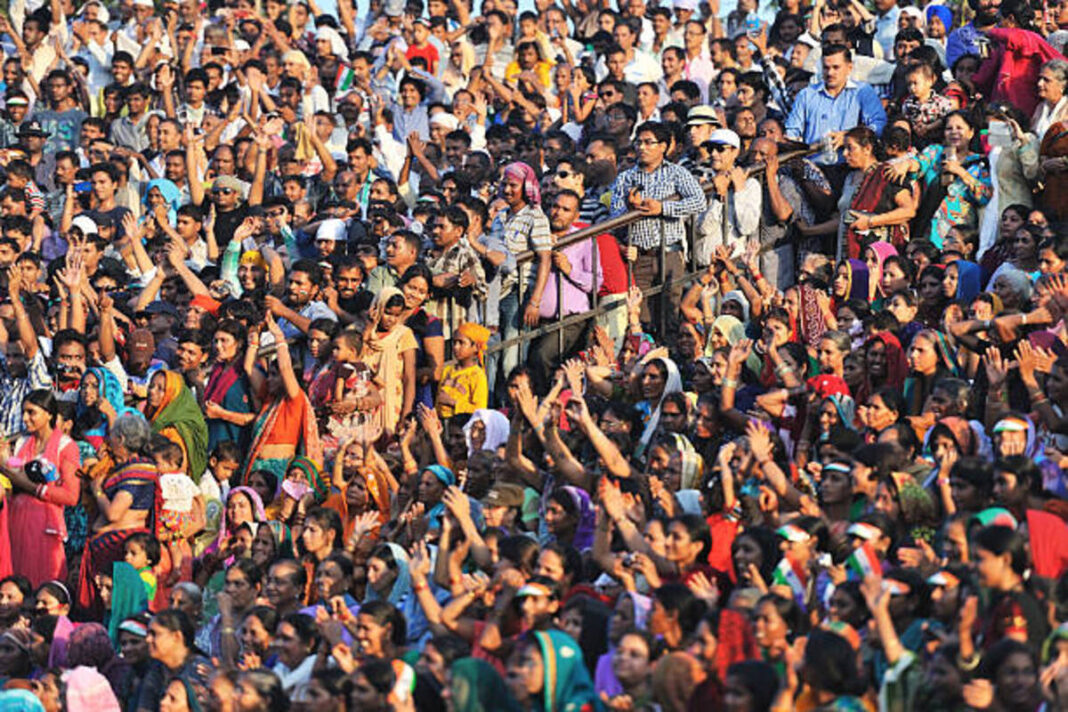

यह गिरावट एक अहम पड़ाव है, जहां दशकों से जारी प्रजनन दर में कमी ने अब ग्रामीण भारत को भी वैश्विक जनसांख्यिकीय रुझानों के समान स्तर पर पहुँचा दिया है।
नई दिल्ली: भारत की कुल प्रजनन दर (TFR) पहली बार दो बच्चों प्रति महिला से नीचे चली गई है। नए सरकारी आंकड़ों के अनुसार 2023 में राष्ट्रीय औसत 1.9 दर्ज किया गया। ग्रामीण भारत, जिसे अब तक जनसंख्या वृद्धि का प्रमुख कारक माना जाता था, अब 2.1 बच्चों प्रति महिला के प्रतिस्थापन स्तर पर पहुँच गया है — यानी वह सीमा जहाँ जन्म और मृत्यु लगभग बराबर हो जाते हैं और जनसंख्या स्थिर रहती है।
कुल प्रजनन दर (TFR) उस संख्या को दर्शाती है कि प्रजनन आयु के दौरान औसतन एक महिला कितने बच्चों को जन्म देती है। प्रतिस्थापन स्तर (2.1) वह दर है, जिस पर प्रत्येक पीढ़ी अपनी पिछली पीढ़ी की जनसंख्या को बदलने में सक्षम होती है। TFR में गिरावट के पीछे महिलाओं की शिक्षा में वृद्धि, परिवार नियोजन तक बेहतर पहुँच, विवाह में देरी और शिशु मृत्यु दर में कमी जैसे कारण बताए गए हैं।
बुधवार को जारी 2023 के सैम्पल रजिस्ट्रेशन सिस्टम (SRS) रिपोर्ट के अनुसार, ग्रामीण क्षेत्रों में प्रजनन दर 2020 से 2022 तक 2.2 पर स्थिर रही थी, जो 2023 में घटकर 2.1 हो गई। यह गिरावट एक अहम पड़ाव है, क्योंकि दशकों से जारी प्रजनन दर में कमी ने अब ग्रामीण भारत को भी वैश्विक जनसांख्यिकीय रुझानों के समान स्तर पर पहुँचा दिया है।
शहरी क्षेत्रों में, जहाँ प्रजनन दर दो दशक पहले ही 2.1 से नीचे चली गई थी, और गिरावट दर्ज हुई। 2020–22 के 1.6 से घटकर यह 2023 में 1.5 पर आ गई।
यह जनसांख्यिकीय बदलाव ऐसे समय में हो रहा है जब भारत की मृत्यु दर महामारी-पूर्व स्तरों की तुलना में अब भी अधिक है। 2023 में देश की अशोधित मृत्यु दर (CDR) 1,000 लोगों पर 6.4 रही — 2022 के 6.8 से कम, लेकिन 2019–20 के 6.0 से ज्यादा। इससे पहले 2016 में भारत ने 6.4 की CDR दर्ज की थी।
2021 की दूसरी लहर ने मृत्यु दर को 1,000 पर 7.5 तक पहुँचा दिया था। SRS के अनुमानों के मुताबिक, इस दौरान लगभग 20 लाख अतिरिक्त मौतें हुईं। इसके बाद से ग्रामीण क्षेत्रों में तेजी से सुधार दिखा है: 2021 में जहाँ CDR 7.9 थी, वहीं 2023 में यह घटकर 6.8 पर आ गई — जो 2017 के स्तर के करीब है। वहीं शहरी क्षेत्रों की रिकवरी धीमी है: 2023 में शहरी मृत्यु दर 5.7 रही, जो 2022 में 6.0 थी, लेकिन महामारी-पूर्व 2020 के 5.1 से अब भी ज्यादा है। शहरों में आखिरी बार इतनी ऊँची मृत्यु दर 2011 में दर्ज की गई थी।
विशेषज्ञों का कहना है कि 2021 की जनगणना में हुई देरी से जनसंख्या अनुमान की सटीकता पर भी असर पड़ा हो सकता है। इससे प्रजनन और मृत्यु दर से जुड़े आँकड़े तैयार करने में इस्तेमाल होने वाले SRS नमूने की प्रतिनिधित्व क्षमता प्रभावित हो सकती है।


 पहली बार दो बच्चों प्रति महिला से नीचे चली गई है। नए सरकारी आंकड़ों के अनुसार 2023 में राष्ट्रीय औसत 1.9 दर्ज किया गया। ग्रामीण भारत, जिसे अब तक जनसंख्या वृद्धि का प्रमुख कारक माना जाता था, अब 2.1 बच्चों प्रति महिला के प्रतिस्थापन स्तर पर पहुँच गया है — यानी वह सीमा जहाँ जन्म और मृत्यु लगभग बराबर हो जाते हैं और जनसंख्या स्थिर रहती है।)