

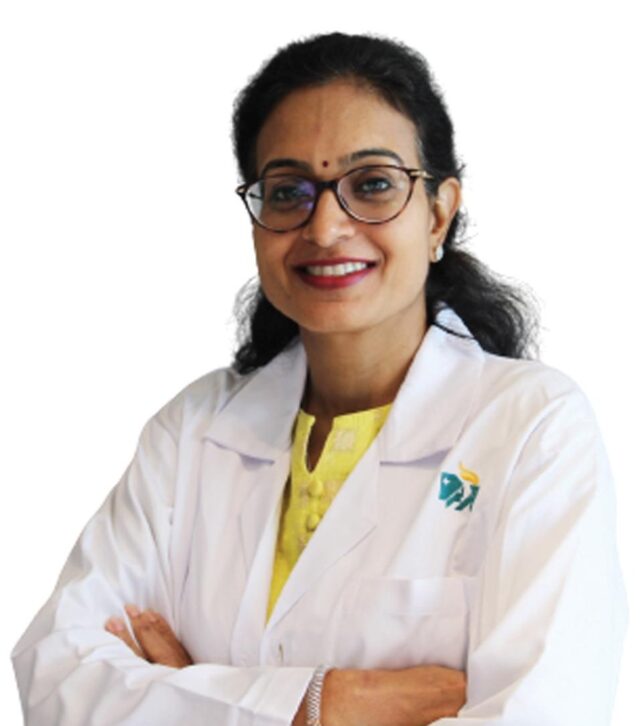
Unplanned C-sections (cesarean sections) are associated with higher risks of postpartum depression (PPD), challenges in infant feeding, and reduced birth satisfaction, particularly in countries like India, where cultural expectations around childbirth are strong, according to Dr. Himani Sharma, Senior Consultant, Obstetrics, Gynecology & Robotic Surgery at Apollo Hospitals, Navi Mumbai.
“These C-sections typically occur under emergency conditions, causing trauma and disappointment,” Dr. Sharma explains. The resulting physical recovery, combined with emotional stress, can increase the likelihood of PPD.
In India, where vaginal births are culturally preferred, an unplanned C-section may amplify feelings of failure, with mothers facing a 15–20% higher chance of developing PPD compared to those who deliver vaginally.
Challenges in Breastfeeding
Additionally, post-C-section mothers often experience delays in breastfeeding due to pain, longer recovery times, and difficulty holding the baby. In India, where breastfeeding is highly emphasized, these delays can lead to feelings of inadequacy. Unplanned C-sections also tend to be linked to lower milk production and a higher reliance on formula, raising concerns about infant nutrition.
A 2019 study in the Indian Journal of Obstetrics and Gynaecology found that delayed initiation of breastfeeding is 25% more common after C-sections than vaginal births.
Lower Birth Satisfaction
“Moreover, unplanned C-sections, which are often viewed as a failure in cultures where natural birth is idealized, contribute to lower birth satisfaction,” notes Dr. Sharma. Mothers may feel as though their birth plan has been disrupted, which, coupled with the long recovery, can cause emotional distress. This dissatisfaction can further exacerbate postpartum emotional struggles.
Life-Saving Necessity
Despite the emotional and physical challenges, unplanned C-sections are often life-saving. When complications arise—such as fetal distress, abnormal positioning, or labor not progressing—these surgeries become essential to ensure the safety of both mother and baby.
Path to Better Outcomes
To address these challenges, Dr. Sharma emphasizes the importance of:
comprehensive prenatal education, postpartum counseling, and enhanced breastfeeding support are crucial. Additionally, culturally sensitive care can help reduce stigma, improve maternal satisfaction, and promote better mental health outcomes.
April: International Cesarean Awareness Month
Observed annually in April, International Cesarean Awareness Month raises awareness about the risks and benefits of C-sections. It also aims to promote maternal-child health by avoiding unnecessary cesareans and encouraging Vaginal Birth After Cesarean (VBAC).

 are associated with higher risks of postpartum depression (PPD), challenges in infant feeding.)