
The United States fertility rate dropped to an all-time low in 2024, with fewer than 1.6 children being born per woman, according to new data from the Centers for Disease Control and Prevention (CDC).
The figure — 1.599 — marks a continued slide from 1.621 in 2023 and is far below the 2.1 replacement level needed to maintain population stability without immigration.
Once among the few developed nations with a replacement-level fertility rate, the U.S. has seen steady declines over the past two decades. Women are increasingly delaying childbirth or choosing not to have children at all, aligning the U.S. with fertility trends seen in many Western European countries, World Bank data shows.
Push for IVF and Baby Bonuses
In response, the Trump administration has introduced policies aimed at reversing the trend. In February, an executive order was issued to expand access to in vitro fertilization (IVF) and reduce its cost. The administration also expressed support for “baby bonuses” to encourage family growth.
“In vitro treatments have become unaffordable for many Americans,” said White House staff secretary Will Scharf, highlighting that most health insurance plans do not cover IVF, which can cost tens of thousands of dollars.
Experts Urge Caution, Not Panic
Despite the record low, demographer Leslie Root of the University of Colorado Boulder urged calm.
“We’re seeing this as part of an ongoing process of fertility delay. We know that the U.S. population is still growing, and we still have a natural increase – more births than deaths,” she said.
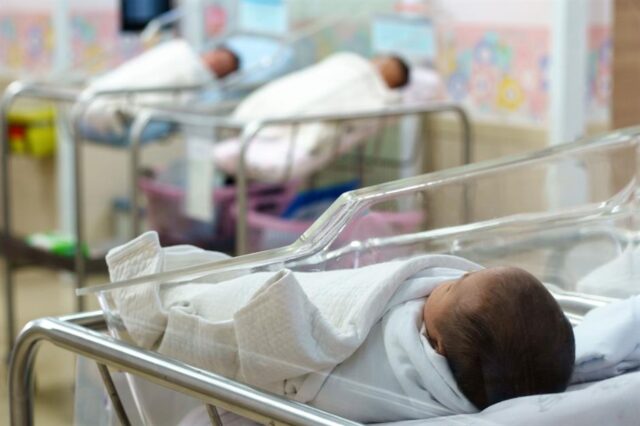
The U.S. Centers for Disease Control and Prevention released the statistic for the total fertility rate with updated birth data for 2024. It showed a 1% increase in births — about 33,000 more — last year compared to the prior year.
That brought the yearly national total to just over 3.6 million babies born.
Fertility Declines Across Age Groups
Birth rates are generally falling across most age groups — especially among women in their 20s and early 30s — due to economic and social pressures, said Karen Guzzo, director of the Carolina Population Center at the University of North Carolina and also said that doesn’t seem likely to change in the near future.
“People are marrying later and are concerned about their financial and emotional readiness for parenthood,” she said. “Worry is not a good moment to have kids.”
She criticized the administration’s measures as insufficient: “These policies are mostly symbolic. They don’t address structural issues like paid parental leave or affordable childcare — which are what families really need.”
Lack of Time and Money Not Infertility—Behind Falling Birth Rates: UN Report
Long-Term Trends
In the early 1960s, the U.S. total fertility rate was around 3.5, but plummeted to 1.7 by 1976 after the Baby Boom ended. It gradually rose to 2.1 in 2007 before falling again, aside from a 2014 uptick. The rate in 2023 was 1.621 but inched down in 2024 to 1.599, according to the CDC’s National Center for Health Statistics.
With birth rates unlikely to bounce back soon, experts say comprehensive family support policies, not short-term incentives, will be key to shaping America’s demographic future.
Source: CBS News