

WHO Approves First Malaria Treatment for Newborns and Infants

The World Health Organization (WHO) has granted prequalification to the first malaria treatment specifically developed for newborns and infants, marking a major milestone in pediatric healthcare. This new approval is expected to improve treatment outcomes for one of the most vulnerable age groups, who until now had limited access to medicines tailored to their needs.

A Much-Needed Advancement in Infant Malaria Treatment

For years, healthcare providers often had to adapt malaria medicines designed for older children when treating infants. This practice carried serious risks, including incorrect dosing, higher chances of toxicity, and unwanted side effects.
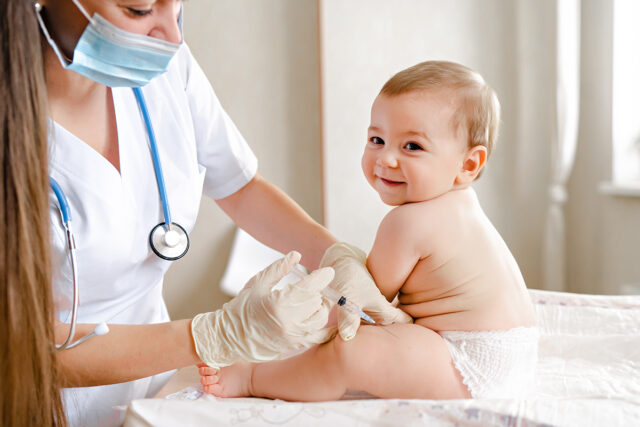
Malaria vaccine
Photo source: Optum

The newly approved medicine is a specially formulated version of artemether-lumefantrine, created to provide accurate, age-appropriate dosing for newborns and infants. It meets international standards for safety, quality, and effectiveness, offering doctors a safer and more reliable treatment option.

Why This Approval Matters

Malaria remains one of the leading causes of illness and death among children in many parts of the world, especially in Africa. Infants weighing between 2 and 5 kilograms are among the most at-risk groups, yet they have often been overlooked in treatment development.

With WHO prequalification, this medicine can now be distributed more easily to malaria-endemic countries, helping improve access, where the mosquito-borne disease remains a persistent public health challenge.

A Positive Step for Global Child Health

This approval represents an important step toward reducing infant mortality caused by malaria and closing long-standing treatment gaps in pediatric care. It also highlights the growing global focus on creating medicines specifically for underserved patient groups.

As access expands, the new treatment could help save thousands of young lives and strengthen child healthcare systems in malaria-affected regions.


Hot this week

Low Birth Weight? Study Warns of Serious Heart Risks in Adulthood

Low Birth Weight is increasingly being linked to serious...

Preventable Hypertension Complications Endanger Mothers and Newborns: Study Finds

Hypertensive disorders of Pregnancy (HDP) continue to be a major threat to maternal and neonatal health, particularly in developing countries like India. A recent study conducted at Cama and Albless Hospital, a tertiary care teaching hospital in Mumbai, highlights the clinical profile and outcomes of pregnant women affected by pregnancy-related hypertension.

Maternal Health Crisis in the U.S. Puts Infants at Higher Risk, New Study Finds

Improving women’s health is vital not only for mothers...

Two in Three Women Have Preventable Risk Factors for Birth Defects, Study Finds

According to the researchers, these factors can disrupt one-carbon...

Topics

Low Birth Weight? Study Warns of Serious Heart Risks in Adulthood

Low Birth Weight is increasingly being linked to serious...

Preventable Hypertension Complications Endanger Mothers and Newborns: Study Finds

Hypertensive disorders of Pregnancy (HDP) continue to be a major threat to maternal and neonatal health, particularly in developing countries like India. A recent study conducted at Cama and Albless Hospital, a tertiary care teaching hospital in Mumbai, highlights the clinical profile and outcomes of pregnant women affected by pregnancy-related hypertension.

Maternal Health Crisis in the U.S. Puts Infants at Higher Risk, New Study Finds

Improving women’s health is vital not only for mothers...

Two in Three Women Have Preventable Risk Factors for Birth Defects, Study Finds

According to the researchers, these factors can disrupt one-carbon...

Study Finds Toxic Lead and Uranium in Children’s Blood in Punjab and Chandigarh

Toxic metals like lead and uranium in children’s blood...

Gynaecologists to Use AI for Reducing Maternal Mortality in India

Maternal and childcare is one of India’s key health...

Only 4% of Young Indian Women Exercise Daily, Survey Reveals

Only 3.9% of young women aged 15-29 exercise daily,...

Related Articles

Translate »