



Bacterial pneumonia, leads to oxygen deprivation, seizures, and cardiac arrest which needed to be shocked back into rhythm.
Mumbai: A 75-day-old infant from Bhiwandi survived an unprecedented 35-minute cardiopulmonary resuscitation (CPR) after a severe chest infection caused his heart to stop.
Nafisa (name changed) initially thought her son had a simple cold, and started treating him with nasal sprays, vapour inhalation, and medicines prescribed by a local doctor, but it progressed to bacterial pneumonia, leading to oxygen deprivation, seizures, and cardiac arrest which needed to be shocked back into rhythm. Then she and her husband came to the KIMS Hospital in Thane.
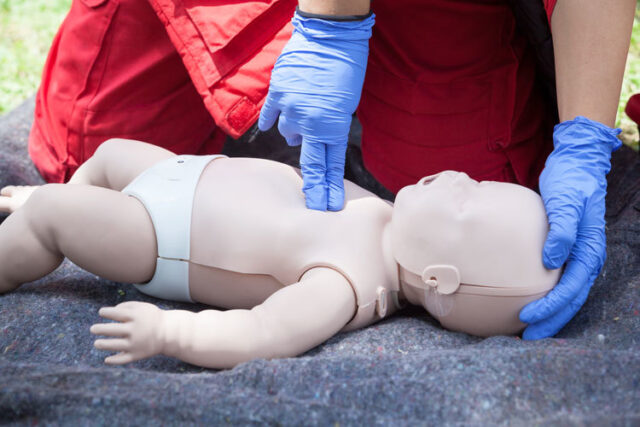
Paediatric intensivist Dr. Guruprasad Shanbaug from KIMS Hospital, Thane, said, “Despite the prolonged CPR, the child is recovering well — gaining weight, making eye contact, and began taking breastfeeds without any issues.” The baby was ventilated and given a heart shock using a defibrillator before undergoing extensive CPR. After 20 days in hospital, he returned to normal health. Dr. Shanbaug highlighted that prolonged CPR carries a high risk of brain damage, but the infant’s recovery is remarkable.
Dr. Indu Khosla, senior paediatric pulmonologist, warned of increasing respiratory infections, especially respiratory syncytial virus (RSV), which is a leading cause of viral pneumonia. “All the nine children in the paediatric ICU at SRCC Hospital, Haji Ali, are down with RSV, which is the leading cause of viral pneumonia,” she said.
Doctors are concerned about the long-term effects of the 35-minute CPR session. Associate professor Dr Sushant Mane from state-run JJ Hospital said that usually 10 to 20 minutes of CPR is recommended in neonates. Another doctor said developmental milestones in children can only be assessed after four months of age.
What is CPR?
Cardiopulmonary resuscitation (CPR) is a lifesaving technique used when breathing or heartbeat stops. For children, it includes:
- Rescue breathing to supply oxygen to the lungs
- Chest compressions to maintain blood circulation
Duration Matters:
Permanent brain damage can occur within 4 minutes if blood flow stops, so CPR must continue until normal heartbeat and breathing resume.
Pneumonia in Children:
According to the World Health Organization (WHO), pneumonia is a leading infectious disease cause of death globally among children under 5. In 2019, 7.4 lakh children under 5 died due to pneumonia which accounted for 14% of all deaths in this age group.
Causes of Pneumonia:
Pneumonia can result from viruses, bacteria, or fungi, with the most common causes being:
- Bacterial: Streptococcus pneumoniae, Haemophilus influenzae type b
- Viral: Respiratory syncytial virus (RSV) – most frequent viral cause
However, early recognition of symptoms, timely medical intervention, and awareness of pneumonia risks can save children’s lives.
Source: Times of India
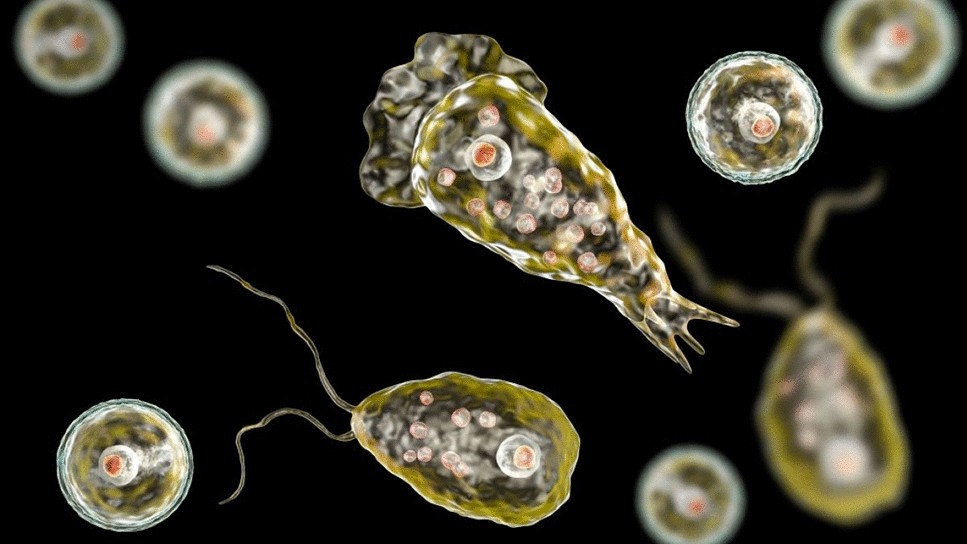

 after a severe chest infection caused his heart to stop.)