

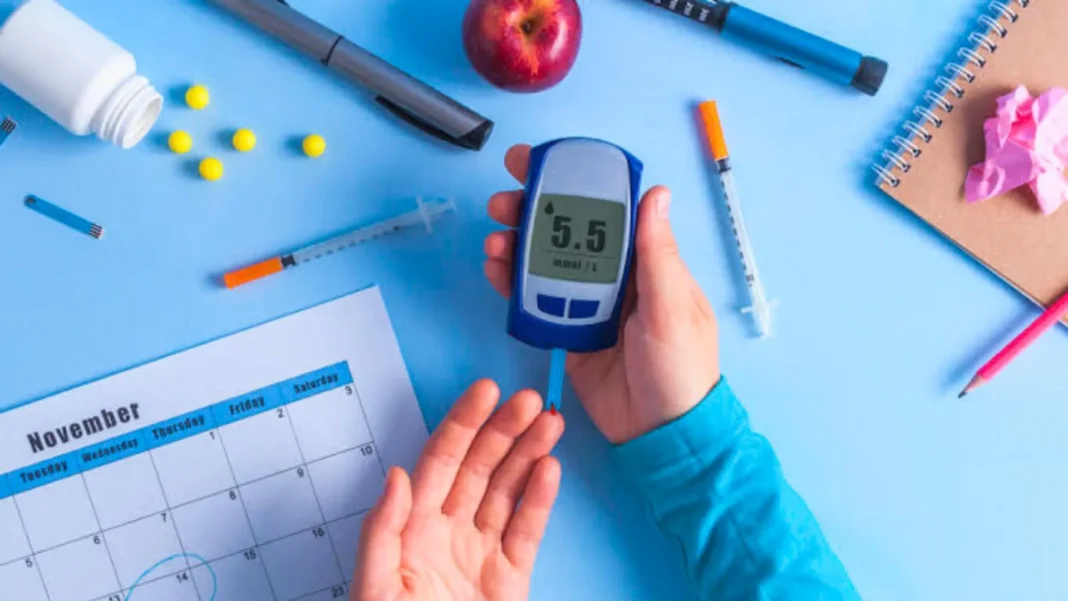
New Form of Diabetes, Type 5, Officially Recognized—First Spotted in India and Africa Decades Ago

A lesser-known form of diabetes, first observed over 75 years ago, has finally received global recognition. Now officially named Type 5 diabetes, it was announced by Prof. Peter Schwarz, president of the International Diabetes Federation, during the World Congress of Diabetes 2025 in Bangkok.

A global task force has been set up to study the epidemiology and pathogenesis of Type 5 diabetes.

“Type 5 diabetes typically affects underweight individuals with no family history of diabetes. Its symptoms don’t align with either Type 1 or Type 2,” said Dr. Nihal Thomas, professor of endocrinology at Christian Medical College (CMC), Vellore, and a key member of the newly formed task force, as reported by the Times of India.

A Different Beast Altogether

Type 5 diabetes was first documented in the 1960s, mostly among undernourished populations in India, Pakistan, and parts of sub-Saharan Africa. It was initially referred to as J type diabetes as it was first seen in Jamaica. It even made it to the WHO’s classification in 1985, only to be dropped in 1998due to insufficient evidence. Until recently, it was often misdiagnosed as poorly controlled Type 1 or Type 2 diabetes.

Breakthrough research in 2022 by Dr. Thomas and Dr. Riddhi Dasgupta (CMC), along with Prof. Meredith Hawkins (Albert Einstein College of Medicine, New York), confirmed that Type 5 is physiologically different from Type 1 & 2.

According to Dr. Thomas;

  • Type 5 patients are insulin-deficient but not insulin-resistant, unlike in Type 2.
  • Type 5 is seen in people with extremely low BMI of less than 18.5kg/m2, in general.
  • Those with low birth weight and poor nutrition after delivery may develop Type 5 diabetes.
  • Patients lack the autoimmune markers related to Type 1 diabetes.
  • About 50% of them can be managed with oral medications, which is crucial in resource-poor areas.

“Type 5 diabetes is common in low-GDP regions of India. Its treatment being possible without insulin makes a big difference in these settings,” Dr. Thomas noted.

Global Impact

Dr Thomas added that Type 5 should not be confused with MODY-5 (Maturity Onset Diabetes of the Young or HNibeta mutations). There are about 25 to 30 million people worldwide may be living with Type 5 diabetes—many without knowing it, he added.

A review in Scientific American (2023) highlighted its significance after the 2022 study was published in Diabetes Care.

With this official recognition, researchers hope awareness, early diagnosis, and better care options for Type 5 patients will now follow.

Hot this week

Preventable Hypertension Complications Endanger Mothers and Newborns: Study Finds

Hypertensive disorders of Pregnancy (HDP) continue to be a major threat to maternal and neonatal health, particularly in developing countries like India. A recent study conducted at Cama and Albless Hospital, a tertiary care teaching hospital in Mumbai, highlights the clinical profile and outcomes of pregnant women affected by pregnancy-related hypertension.

Maternal Health Crisis in the U.S. Puts Infants at Higher Risk, New Study Finds

Improving women’s health is vital not only for mothers...

Two in Three Women Have Preventable Risk Factors for Birth Defects, Study Finds

According to the researchers, these factors can disrupt one-carbon...

Study Finds Toxic Lead and Uranium in Children’s Blood in Punjab and Chandigarh

Toxic metals like lead and uranium in children’s blood...

Gynaecologists to Use AI for Reducing Maternal Mortality in India

Maternal and childcare is one of India’s key health...

Topics

Preventable Hypertension Complications Endanger Mothers and Newborns: Study Finds

Hypertensive disorders of Pregnancy (HDP) continue to be a major threat to maternal and neonatal health, particularly in developing countries like India. A recent study conducted at Cama and Albless Hospital, a tertiary care teaching hospital in Mumbai, highlights the clinical profile and outcomes of pregnant women affected by pregnancy-related hypertension.

Maternal Health Crisis in the U.S. Puts Infants at Higher Risk, New Study Finds

Improving women’s health is vital not only for mothers...

Two in Three Women Have Preventable Risk Factors for Birth Defects, Study Finds

According to the researchers, these factors can disrupt one-carbon...

Study Finds Toxic Lead and Uranium in Children’s Blood in Punjab and Chandigarh

Toxic metals like lead and uranium in children’s blood...

Gynaecologists to Use AI for Reducing Maternal Mortality in India

Maternal and childcare is one of India’s key health...

Only 4% of Young Indian Women Exercise Daily, Survey Reveals

Only 3.9% of young women aged 15-29 exercise daily,...

Beyond the Glamour: Celebrities Share Emotional Struggles During Childbirth

Their stories shed light on the hidden struggles of...

UNICEF’s Call to Action: Tackling the Rising Burden of NCDs in Children and Adolescents

Unlike infectious diseases, NCDs are not passed from person...

Related Articles

Translate »