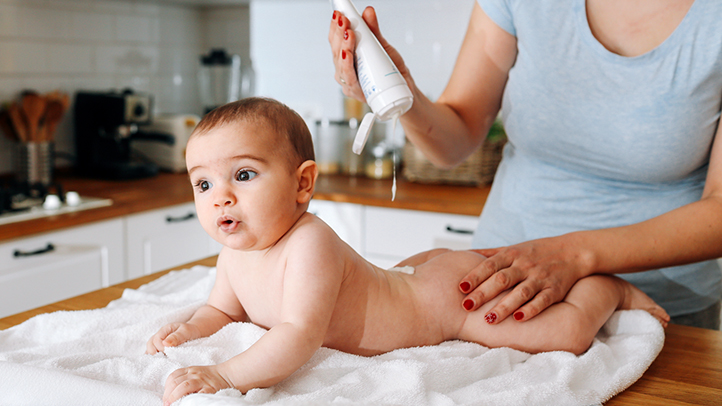

Parents are prioritizing products free from parabens, preservatives, artificial colors, and genetically modified ingredients.
Mumbai: Nearly two-thirds of urban Indian families now buy baby care products online, a significant jump from just a quarter four years ago, according to market researcher Numerator (formerly Kantar). Parents are increasingly prioritizing products free from parabens, preservatives, artificial colors, and genetically modified ingredients.
The study found that over 67% of parents use chemical- and additive-free products until their child turns two, while 48% continue until age three. Premium product usage is also high: 62% of parents opt for higher-end brands for at least the first two years, regardless of price—highlighting a shift from previous years when affordability played a bigger role in decision-making.
“Parents’ attention peaks in the first 24 months. After this phase of extreme care, they tend to relax a little and switch to products that aren’t necessarily meant for babies but are still milder,” said K Ramakrishnan, Managing Director, South Asia, Worldpanel by Numerator.
The urban baby care market has grown to ₹7,000 crore from ₹6,200 crore in 2023, with small towns gradually adopting urban aspirational trends. Natural and medicated products are gaining steady ground, while convenience-driven formats continue to fuel growth.
On average, Indian parents spend around ₹6,800 annually on baby care—nearly a third of the household grocery budget. The report, which tracked purchase behavior of 7,500 families with children up to three years across socio-economic segments A, B, and C, also noted a 12% increase in annual household spending on baby care in urban areas.
Source: The Economic Times
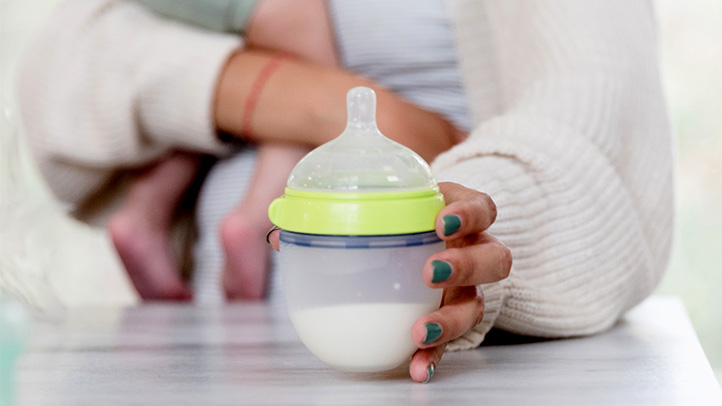
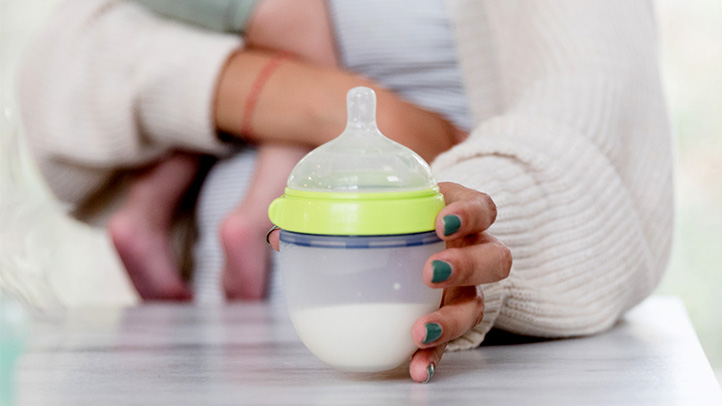
. Parents are increasingly prioritizing products free from parabens, preservatives, artificial colors, and genetically modified ingredients.)