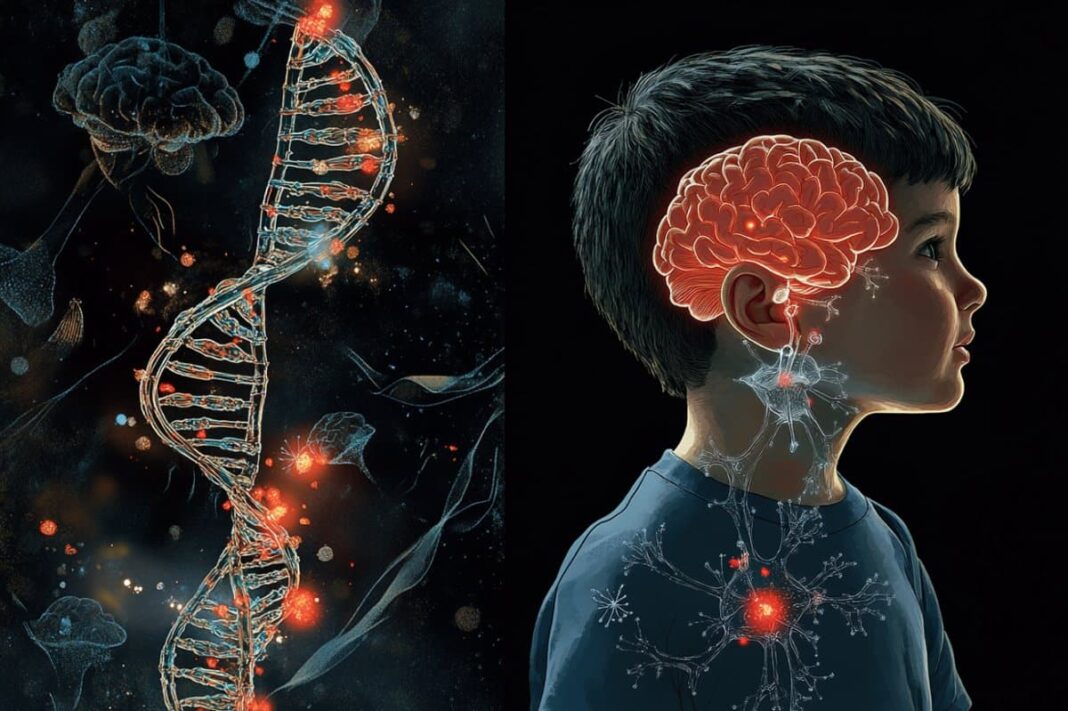

New research reveals children with a rare genetic disorder are 14 times more likely to be diagnosed with autism.
In a breakthrough that could help unravel the mystery of autism, scientists have discovered a strong genetic link between autism spectrum disorder (ASD) and a rare inherited condition known as myotonic dystrophy type 1 (DM1).
DM1 is a progressive disorder passed down through families that causes muscle weakness around the limbs, fatigue, and cognitive issues, as it progresses, vital organs like the heart and lungs. This leads to abnormal heart rhythms and breathing issues. Symptoms typically appear in adolescence or young adulthood and start with weakness around the muscles in the face, neck, fingers and ankles.
But now, researchers say it may also affect brain development, altering how the brain processes information—leading to autism-like symptoms such as communication difficulties, repetitive behaviors, and sensory issues.
The study, led by experts from the University of Nevada, Las Vegas (UNLV), found that children with DM1 are 14 times more likely to also be diagnosed with autism. This finding brings scientists one step closer to identifying autism’s biological roots.
How the Gene Link Works
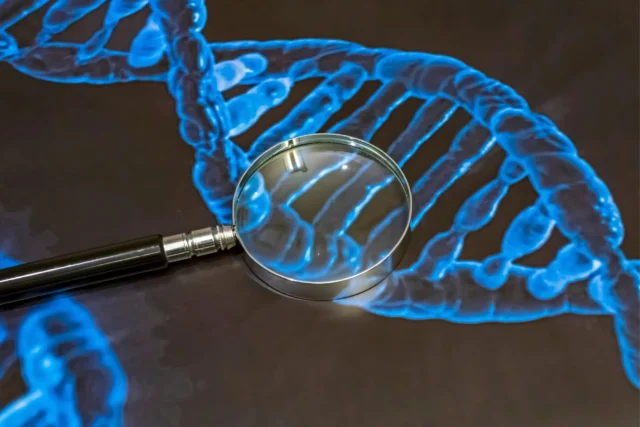
At the heart of DM1 is a faulty gene called DMPK, which contains repeating sections of DNA known as tandem repeat expansions (TREs). These abnormal repetitions produce toxic RNA, which interferes with protein production and disrupts other genes—particularly those involved in brain function and development.
“TREs are like a sponge that absorbs important proteins from the genome,” explains Dr. Ryan Yuen, senior scientist at the Hospital for Sick Children and a lead author of the study. “Without those proteins, other areas of the genome can’t function properly.”
The disrupted proteins and genetic errors may explain why people with DM1 can show signs of autism, including lack of coordination, repetitive movements, and social challenges.
Not Everyone with DM1 Has Autism—But the Clues Are Critical
While autism affects around 7 million Americans, DM1 is far rarer, with about 140,000 cases in the U.S. The researchers emphasize that not all people with DM1 will develop autism, but the overlap is significant enough to prompt further investigation.
Dr. Lukasz Sznajder, another lead researcher from UNLV, said,
“A variation really stood out to me that we see in rare neuromuscular diseases. This helped us connect the dots—we found a molecular link that could explain autism symptoms in children with DM1.”
Hope for New Treatments and Diagnosis Tools
This discovery opens the door for more precise diagnostic tools and even gene-targeted therapies. By identifying the specific genetic pathway that connects DM1 to autism, researchers believe it may be possible to repair faulty genes and restore the balance of proteins needed for healthy brain development.
“By understanding this connection, we can start designing precision therapies that help the body release those proteins back into the genome,” said Dr. Yuen.
Another Promising Study Offers Non-Invasive Autism Treatment
Meanwhile, a separate study from Chinese researchers has found a new, non-invasive brain therapy may improve symptoms of autism, including sleep issues, language delays, and social difficulties.

The treatment, called transcranial pulsed current stimulation (tPCS), involves sending gentle electrical impulses through the scalp to stimulate brain activity. Children aged 3 to 14 who underwent 20 sessions over four weeks showed significant improvements in multiple areas of functioning.
Autism on the Rise — Why It Matters
These discoveries come amid a sharp rise in autism diagnoses. The condition affects 140,000 Americans and the life expectancy is around 48 to 55 years. While better diagnosis and awareness are likely factors, some experts suggest environmental influences may also be contributing.
Gut Microbiota’s Link to Autism: A Mother’s Microbiome Matters Most
Still, the connection between autism and DM1 may offer something long sought after in autism research: clear, traceable biological causes.
The findings from UNLV were published in the journal Nature Neuroscience, and the team plans to investigate whether similar gene errors exist in other autism-linked genes.


