Born at Just 26 Weeks & 750g: Rosie Peck’s Journey from NICU to Research

For Peck, the study means more than just learning about her own health—it’s a chance to contribute to better care for new generation prem babies.

New ZeaLand: Rosie Peck was born at just 26 weeks, weighing a mere 750 grams—slightly more than a block of butter. She spent over three months in the neonatal intensive care unit (NICU), endured a brain bleed, and faced life-threatening complications when doctors struggled to insert breathing tubes. Her life was saved when Dr. Brian Darlow, while conducting research on other babies, successfully placed the tubes.
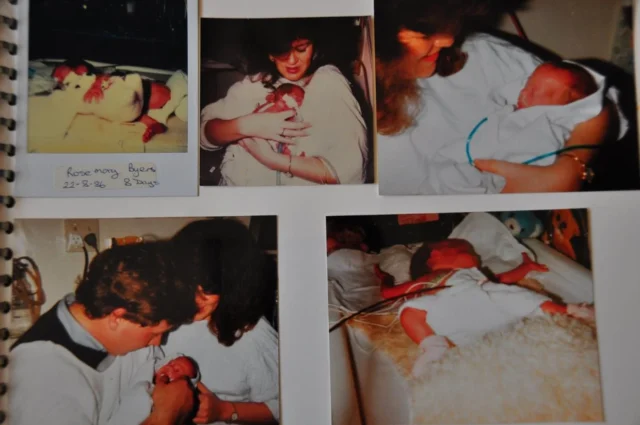
Peck in the neonatal intensive care unit as a baby. She was born at just 26 weeks.

Peck has since become part of a landmark study on premature babies led by Dr. Darlow. Now 39, she views the study as an opportunity to give back to babies like herself. “If anything, that information has given us power. It’s knowledge that we can now take with us and be more proactive around our health,” she says.

Peck is one of 250 participants in the New Zealand Very Low Birthweight (VLBW) longitudinal study. The study has followed babies born in 1986 weighing less than 1.5 kg, comparing their long-term health with same-aged peers. An overview of the data, published in the New Zealand Medical Journal, highlights both successes and challenges for those born very prematurely.

Among the 250 participants, 82% were born “very preterm,” before 32 weeks of gestation. One significant finding is that VLBW adults displayed a more advanced “physiological age” than their term-born peers. According to Dr. Darlow, this may indicate an increased vulnerability to early organ decline and future health issues.
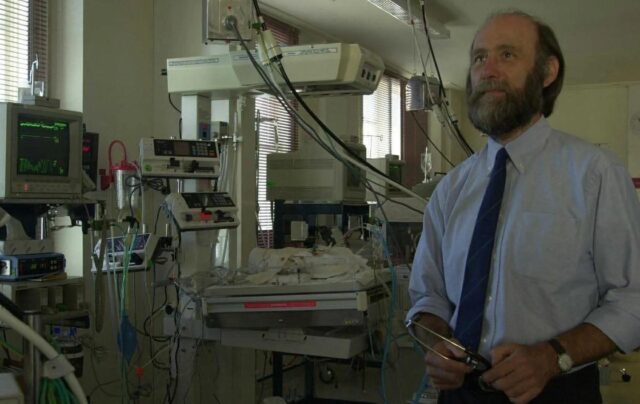
Professor Brian Darlow in the neo natal unit at Christchurch Women’s Hospital in 2001.

At age 28, VLBW adults showed higher systolic blood pressure, slightly smaller and stiffer hearts, more visual impairments, and reduced lung function. They also tended to exercise less vigorously than the control group. “Very preterm birth is a lifetime condition, and extra medical surveillance is warranted, particularly for blood pressure, heart, lung, and kidney function, as well as blood sugar control,” Dr. Darlow noted.

Cognitive and social outcomes were also affected. Adjusted mean IQ scores were 9.4 points lower in the VLBW group, with differences observed in tertiary education, employment, welfare dependence, and self-perceived executive functioning. The research team plans to seek funding to continue monitoring the cohort, exploring whether their physiological ageing will remain on pace with peers or accelerate. Dr. Sarah Harris, the study’s new leader, explains: “Accelerated ageing brings the risk of earlier chronic disease. Babies born very prematurely may develop hypertension, heart disease, and lung problems sooner, making ongoing assessment vital.”

Peck herself faced early challenges. She wore glasses due to vision issues from preschool until age 11 and underwent leg-lengthening surgery at age 7. Beyond slightly reduced lung function, however, she has lived a “perfectly normal life.”

Peck and her two children and husband.

For Peck, the study means more than just learning about her own health—it’s a chance to contribute to better care for new generation prem babies, such as her 4-year-old niece Ruby, who was born at 28 weeks. She remains committed to participating in the study, recognizing the broader impact of this research.

“I like to think that what they’ve learned from studying us has improved procedures, interventions, and knowledge for new generations of premature babies,” she says.


Source: The Press

Hot this week

Rajasthan’s ” Yashoda Mothers ” Donate Breast Milk at Barmer Hospital to Save Newborn Babies

In the heart of Rajasthan, the Mother Milk Bank at Barmer District Hospital is creating a life-saving impact for newborn babies through an extraordinary act of kindness. More than 3,500 women, lovingly referred to as “Yashoda Mothers,” have donated breast milk to help infants who are unable to receive nourishment from their biological mothers. Inspired by the story of Yashoda and Lord Krishna, the initiative reflects the spirit of selfless motherhood and humanity.

मुंबई में 3 महीने के बच्चे की ब्रेन ट्यूमर सर्जरी ने बचाई जान

मुंबई में 3 महीने के बच्चे की ब्रेन ट्यूमर सर्जरी सफल रही, जिसमें डॉक्टरों ने जटिल ऑपरेशन कर जानलेवा ट्यूमर हटाया। समय पर पहचान और इलाज से शिशु को नई जिंदगी मिली, जो माता-पिता के लिए किसी चमत्कार से कम नहीं है।

Rare 3-Month-Old Baby Brain Tumour Surgery in Mumbai | Gives Infant Second Chance at Life

A 3-month-old baby brain tumour surgery in Mumbai saved an infant after doctors at Bai Jerbai Wadia Hospital for Children removed a rare, life-threatening tumour.

Infant Liver Transplant in India: 18 महीने के बच्चे को मिला नया जीवन

एक दुर्लभ और अत्यंत जटिल infant liver transplant in...

Topics

Rajasthan’s ” Yashoda Mothers ” Donate Breast Milk at Barmer Hospital to Save Newborn Babies

In the heart of Rajasthan, the Mother Milk Bank at Barmer District Hospital is creating a life-saving impact for newborn babies through an extraordinary act of kindness. More than 3,500 women, lovingly referred to as “Yashoda Mothers,” have donated breast milk to help infants who are unable to receive nourishment from their biological mothers. Inspired by the story of Yashoda and Lord Krishna, the initiative reflects the spirit of selfless motherhood and humanity.

मुंबई में 3 महीने के बच्चे की ब्रेन ट्यूमर सर्जरी ने बचाई जान

मुंबई में 3 महीने के बच्चे की ब्रेन ट्यूमर सर्जरी सफल रही, जिसमें डॉक्टरों ने जटिल ऑपरेशन कर जानलेवा ट्यूमर हटाया। समय पर पहचान और इलाज से शिशु को नई जिंदगी मिली, जो माता-पिता के लिए किसी चमत्कार से कम नहीं है।

Rare 3-Month-Old Baby Brain Tumour Surgery in Mumbai | Gives Infant Second Chance at Life

A 3-month-old baby brain tumour surgery in Mumbai saved an infant after doctors at Bai Jerbai Wadia Hospital for Children removed a rare, life-threatening tumour.

Infant Liver Transplant in India: 18 महीने के बच्चे को मिला नया जीवन

एक दुर्लभ और अत्यंत जटिल infant liver transplant in...

Rare Infant Liver Transplant Saves 18-Month-Old: Challenges, Risks, and Hope for the Future

A rare and highly complex infant liver transplant in India has given a new lease of life to an 18-month-old child suffering from a serious metabolic disorder. The procedure highlights both the medical challenges of operating on infants and the promising future such interventions can offer.

Hormonal Contraceptives May Lower Risk of Chronic Rhinosinusitis in Women, Study Finds

A comprehensive new study involving nearly 240,000 women has...

WHO Approves First Malaria Treatment for Newborns and Infants

The World Health Organization (WHO) has granted prequalification to...

Related Articles

Translate »