

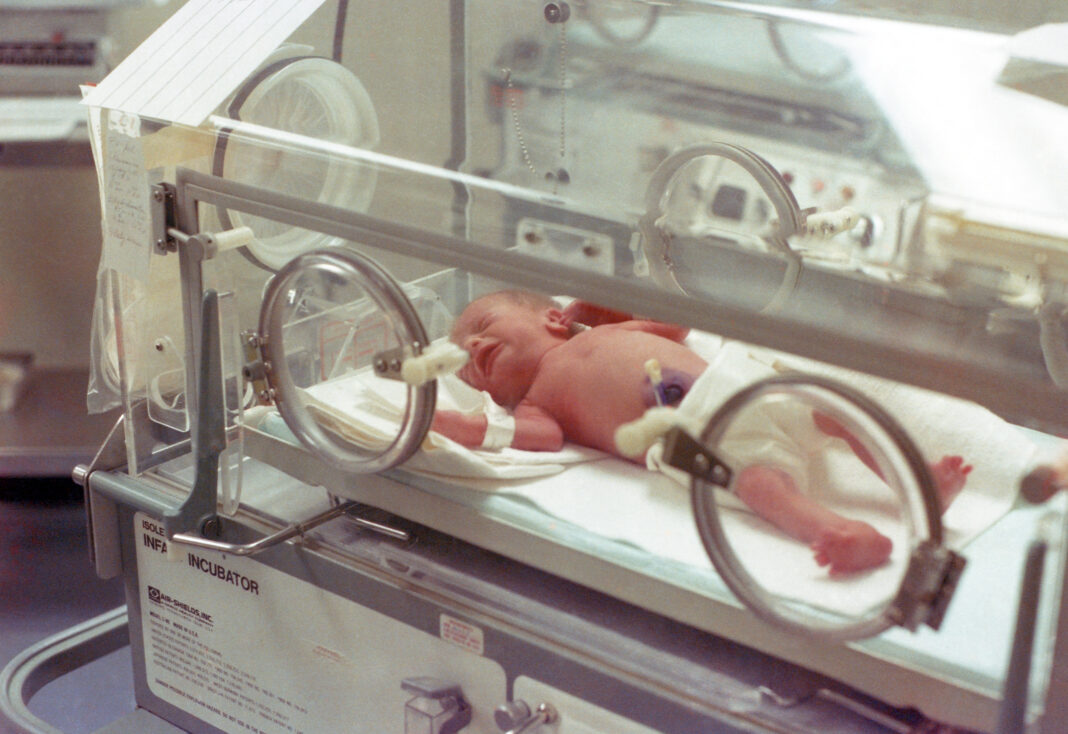
Cama Hospital’s Newly Built NICU is Bacteria-Free, Reducing Infection Risks for Newborns

The newly constructed Neonatal Intensive Care Unit (NICU) at the government-run Cama & Albless Hospital has been made completely bacteria-free, significantly reducing the risk of infections for newborns. The NICU walls are coated with a special material that prevents the growth of bacteria, mold, and other microorganisms, ensuring a safe environment for neonatal care.

State-of-the-Art Facilities

The 21-bed NICU was inaugurated shortly before the announcement of state assembly elections. Currently, half of the beds are operational, with the remaining set to become functional within a month. Dr. Tushar Palve, the superintendent of Cama Hospital, highlighted that the NICU is equipped with advanced medical devices. However, the infection-free environment is primarily due to the specialized wall plaster, which inhibits the growth and transmission of harmful microorganisms.

The NICU doors operate on motion sensors, eliminating the need for doctors and staff to touch handles, further minimizing the risk of infections.

Benefits for Newborns

The NICU is designed for infants facing various health challenges, including premature birth, respiratory distress, infections, and congenital conditions. These newborns are particularly vulnerable to infections. Dr. Palve explained that the bacteria-resistant NICU provides an additional layer of protection, which is crucial for premature and medically fragile infants.

India’s First case of HMPV reported in 8-month-old child in Bengaluru

Increased Capacity and Improved Care

Cama Hospital’s NICU treats over 450 newborns annually. With the additional beds, more infants will be accommodated, ensuring better access to critical care. Dr. Palve emphasized that NICU care has a remarkable success rate, with 99% of infants weighing less than one kilogram surviving due to advanced care.

This bacteria-free NICU sets a new standard in neonatal care, offering a safer and more secure environment for the most vulnerable patients.


Hot this week

Preventable Hypertension Complications Endanger Mothers and Newborns: Study Finds

Hypertensive disorders of Pregnancy (HDP) continue to be a major threat to maternal and neonatal health, particularly in developing countries like India. A recent study conducted at Cama and Albless Hospital, a tertiary care teaching hospital in Mumbai, highlights the clinical profile and outcomes of pregnant women affected by pregnancy-related hypertension.

Maternal Health Crisis in the U.S. Puts Infants at Higher Risk, New Study Finds

Improving women’s health is vital not only for mothers...

Two in Three Women Have Preventable Risk Factors for Birth Defects, Study Finds

According to the researchers, these factors can disrupt one-carbon...

Study Finds Toxic Lead and Uranium in Children’s Blood in Punjab and Chandigarh

Toxic metals like lead and uranium in children’s blood...

Gynaecologists to Use AI for Reducing Maternal Mortality in India

Maternal and childcare is one of India’s key health...

Topics

Preventable Hypertension Complications Endanger Mothers and Newborns: Study Finds

Hypertensive disorders of Pregnancy (HDP) continue to be a major threat to maternal and neonatal health, particularly in developing countries like India. A recent study conducted at Cama and Albless Hospital, a tertiary care teaching hospital in Mumbai, highlights the clinical profile and outcomes of pregnant women affected by pregnancy-related hypertension.

Maternal Health Crisis in the U.S. Puts Infants at Higher Risk, New Study Finds

Improving women’s health is vital not only for mothers...

Two in Three Women Have Preventable Risk Factors for Birth Defects, Study Finds

According to the researchers, these factors can disrupt one-carbon...

Study Finds Toxic Lead and Uranium in Children’s Blood in Punjab and Chandigarh

Toxic metals like lead and uranium in children’s blood...

Gynaecologists to Use AI for Reducing Maternal Mortality in India

Maternal and childcare is one of India’s key health...

Only 4% of Young Indian Women Exercise Daily, Survey Reveals

Only 3.9% of young women aged 15-29 exercise daily,...

Beyond the Glamour: Celebrities Share Emotional Struggles During Childbirth

Their stories shed light on the hidden struggles of...

UNICEF’s Call to Action: Tackling the Rising Burden of NCDs in Children and Adolescents

Unlike infectious diseases, NCDs are not passed from person...

Related Articles

Translate »