Early Monsoon Triggers Surge in Illnesses Across Mumbai, Children at Higher Risk

The early onset of the monsoon, combined with sudden temperature fluctuations and high humidity, has led to a sharp rise in respiratory illnesses and mosquito-borne infections across Mumbai. Several major hospitals in the city have reported a 20-30% increase in seasonal ailments—weeks ahead of the typical June-July peak.

Monsoon, while bringing relief from the summer heat, is also known for a spike in infectious diseases. Illnesses such as dengue, malaria, typhoid, viral fever, cold and cough, and food poisoning become increasingly common during this time. Children are particularly vulnerable, as their immune systems are not as strong as those of adults, making them more susceptible to infections.
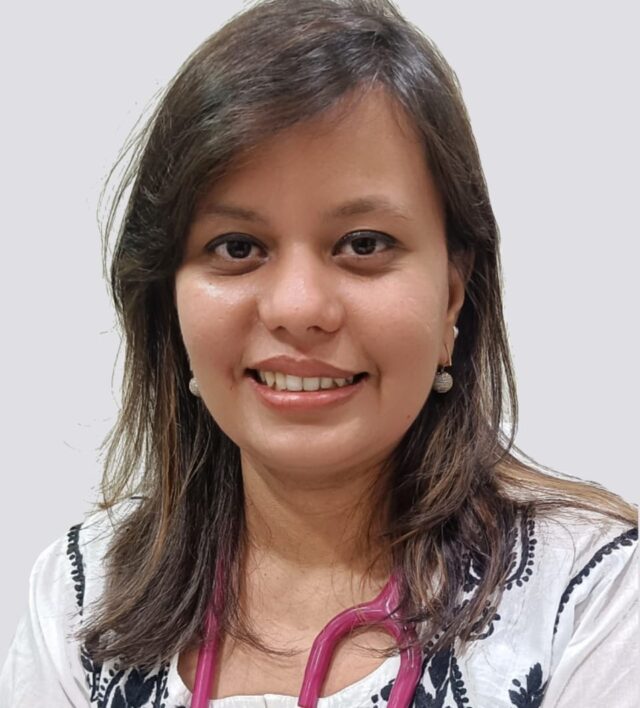
Dr Ankita Bhandari, Pediatrician and Neonatologist, Nulife Hospital

According to Dr. Ankita Bhandari, Pediatrician and Neonatologist, as the monsoon rains breathe life into the parched earth, they also bring a surge of seasonal illnesses—especially in children. The increased humidity, stagnant water, and fluctuating temperatures create an ideal environment for the spread of infections.

Common Monsoon Illnesses

  1. Viral Fevers (Cold & Flu): Runny nose, cough, and fever are typical viral symptoms triggered by sudden temperature changes.
  2. Dengue & Chikungunya: Spread by Aedes mosquitoes that breed in stagnant water, these illnesses cause high fever, body pain, and rashes.
  3. Malaria: Anopheles mosquitoes thrive in monsoon pools, transmitting malaria, which leads to chills, fever, and fatigue.
  4. Gastroenteritis: Contaminated water and food can result in diarrhea, vomiting, and stomach cramps.
  5. Skin & Fungal Infections: Constant dampness can lead to itchy rashes and fungal infections in skin folds and feet.
  6. Leptospirosis: Caused by bacteria in flood water contaminated with animal urine—this can present with fever, muscle pain, and even serious complications if untreated.

Protecting Your Child This Monsoon

Dr. Ankita says, as pediatrician, I see a predictable rise in certain cases every year. Fortunately, with the right precautions, most of these conditions are preventable. Such as:

Image: Kangaroo kids
  • Practice Hand Hygiene: Encourage regular handwashing, especially before meals and after playtime.
  • Dress Smartly: Use light, breathable, and full-sleeved clothing to protect against mosquitoes and fungal infections.
  • Ensure Safe Drinking Water: Boil or filter all drinking water.
  • Boost Immunity Naturally: Offer a balanced diet rich in seasonal fruits and vegetables. Avoid giving raw, uncooked food or street snacks to children.
  • Use mosquito nets and child-safe repellents.
  • Avoid water stagnation in flowerpots, coolers, and drains.
  • Encourage adequate sleep and regular hydration.
  • Stay Up to Date on Vaccinations: Flu shots and other routine immunizations are key to reducing disease severity.
  • Don’t Ignore Warning Signs: Persistent high fever, rashes, unusual fatigue, or dehydration warrant a prompt medical evaluation.

While monsoon brings joy and cool breezes, it’s essential to remain vigilant about your child’s health. With simple daily practices, most seasonal illnesses can be avoided or caught early. Remember, prevention is always better than cure—and good health habits learned early can last a lifetime.


Hot this week

Rajasthan’s ” Yashoda Mothers ” Donate Breast Milk at Barmer Hospital to Save Newborn Babies

In the heart of Rajasthan, the Mother Milk Bank at Barmer District Hospital is creating a life-saving impact for newborn babies through an extraordinary act of kindness. More than 3,500 women, lovingly referred to as “Yashoda Mothers,” have donated breast milk to help infants who are unable to receive nourishment from their biological mothers. Inspired by the story of Yashoda and Lord Krishna, the initiative reflects the spirit of selfless motherhood and humanity.

मुंबई में 3 महीने के बच्चे की ब्रेन ट्यूमर सर्जरी ने बचाई जान

मुंबई में 3 महीने के बच्चे की ब्रेन ट्यूमर सर्जरी सफल रही, जिसमें डॉक्टरों ने जटिल ऑपरेशन कर जानलेवा ट्यूमर हटाया। समय पर पहचान और इलाज से शिशु को नई जिंदगी मिली, जो माता-पिता के लिए किसी चमत्कार से कम नहीं है।

Rare 3-Month-Old Baby Brain Tumour Surgery in Mumbai | Gives Infant Second Chance at Life

A 3-month-old baby brain tumour surgery in Mumbai saved an infant after doctors at Bai Jerbai Wadia Hospital for Children removed a rare, life-threatening tumour.

Infant Liver Transplant in India: 18 महीने के बच्चे को मिला नया जीवन

एक दुर्लभ और अत्यंत जटिल infant liver transplant in...

Topics

Rajasthan’s ” Yashoda Mothers ” Donate Breast Milk at Barmer Hospital to Save Newborn Babies

In the heart of Rajasthan, the Mother Milk Bank at Barmer District Hospital is creating a life-saving impact for newborn babies through an extraordinary act of kindness. More than 3,500 women, lovingly referred to as “Yashoda Mothers,” have donated breast milk to help infants who are unable to receive nourishment from their biological mothers. Inspired by the story of Yashoda and Lord Krishna, the initiative reflects the spirit of selfless motherhood and humanity.

मुंबई में 3 महीने के बच्चे की ब्रेन ट्यूमर सर्जरी ने बचाई जान

मुंबई में 3 महीने के बच्चे की ब्रेन ट्यूमर सर्जरी सफल रही, जिसमें डॉक्टरों ने जटिल ऑपरेशन कर जानलेवा ट्यूमर हटाया। समय पर पहचान और इलाज से शिशु को नई जिंदगी मिली, जो माता-पिता के लिए किसी चमत्कार से कम नहीं है।

Rare 3-Month-Old Baby Brain Tumour Surgery in Mumbai | Gives Infant Second Chance at Life

A 3-month-old baby brain tumour surgery in Mumbai saved an infant after doctors at Bai Jerbai Wadia Hospital for Children removed a rare, life-threatening tumour.

Infant Liver Transplant in India: 18 महीने के बच्चे को मिला नया जीवन

एक दुर्लभ और अत्यंत जटिल infant liver transplant in...

Rare Infant Liver Transplant Saves 18-Month-Old: Challenges, Risks, and Hope for the Future

A rare and highly complex infant liver transplant in India has given a new lease of life to an 18-month-old child suffering from a serious metabolic disorder. The procedure highlights both the medical challenges of operating on infants and the promising future such interventions can offer.

Hormonal Contraceptives May Lower Risk of Chronic Rhinosinusitis in Women, Study Finds

A comprehensive new study involving nearly 240,000 women has...

WHO Approves First Malaria Treatment for Newborns and Infants

The World Health Organization (WHO) has granted prequalification to...

Related Articles

Translate »