


Previously, weather changed four times a year; now, it shifts about 40 times annually. Some regions face extreme heat and drought, while others suffer from heavy rains and floods. Typically, winter begins in October, but this year, it has been the warmest month. According to a Lancet report, the weather has begun to endanger our lives between 2014 and 2023, affecting land, water, forests, and even our health. What does the changing geography of diseases indicate? Let’s try to understand.
- Geography of Diseases
Climate change is significantly altering the spread of diseases.
- Malaria:
The global area affected by Plasmodium falciparum has increased by 17.1%, while the area affected by Plasmodium vivax has grown by 21.8%. Africa and India are the most impacted regions.
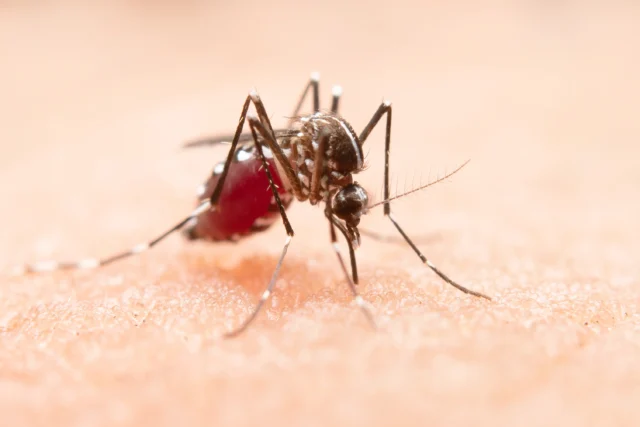
- Dengue:
In 2023, 5 million dengue cases were reported globally. The area suitable for Aedes albopictus has increased by 46.3%, and for Aedes aegypti, by 10.7%.
- Stomach Diseases:
The changing temperature and salinity of water bodies have led to an increase in Vibrio cholerae bacteria. The area where Vibrio can spread has increased by 14.8%.
- Viruses
The West Nile virus now finds 4.3% more area suitable for transmission, driven by climate changes. This virus can cause neurological diseases in humans.
- Declining Global Health
Global Health indicators are hitting alarming levels due to environmental shifts.

- Sleep Deprivation:
Sleep loss has increased by more than 6% since 1986-2005, contributing to stress, heart disease, respiratory illnesses, and complications for pregnant women and infants.
- Rising Heat:
- In 2023, people over 65 experienced 9.3 more days of heatwaves than in previous years, leading to a 167% rise in mortality among this group.
- Extreme heat exposure increased by 27.7% more hours, with 31 countries experiencing a 100-day increase in deadly heat.
- Boiling India, Shrinking Pockets
India has been especially hard-hit by extreme heat and its economic consequences.

- Heatwaves:
India faced more than 2,400 hours of extreme heat in 2023. Heatwaves increased by 47-58% from 2014 to 2023. For up to 100 days, stepping outside in parts of India has become nearly impossible.
- Work Hour Losses:
Heatwaves globally resulted in a loss of 500 billion work hours. India alone lost 181 billion hours, leading to a financial loss of $141 billion. The total global financial loss due to extreme heat reached $835 billion.
- Floods and Droughts
Severe weather patterns have led to widespread floods and droughts.
- In 2023, 48% of the world’s land was affected by drought, marking the most severe drought since 1951. 124 countries are currently struggling with the impact of floods and droughts.
- The world saw 170 flood events in 2023, down from 176 in 2022. As a result, 151 million people are now facing hunger.
- The Challenge of Rising Seas
Coastal areas, especially in India, face severe threats from rising sea levels.

- India’s 7,500 km coastline is under threat, with an estimated 18.1 million people needing to relocate.
- In the Sundarbans, 7 out of every 10 families have already been forced to migrate due to rising sea levels.
- Government Intervention at COP
Despite international efforts, governments’ actions fall short.
- In 2023, governments spent $1.4 trillion on fossil fuel subsidies.
- The continued subsidization of fossil fuels contributes to further damage to nature.
Sea levels are rising because of both human and natural activity. This breakdown highlights the urgent need for global cooperation to address climate change and its catastrophic impacts on the environment, economy, and public health.