


Immunization is a global health success story, saving millions of lives every year. Vaccines reduce risks of getting a disease by working with your body’s natural defenses to build protection. When you get a vaccine, your immune system responds. In this article, we’ll explore the types of vaccines and their importance.
Vaccines have transformed global health, preventing an estimated 154 million deaths worldwide, including 146 million children under the age of five. Among these, 101 million were infants under one year old. Vaccination has spared countless families from devastating losses and revolutionized public health systems globally.
However, this progress is under threat, with diseases like polio and measles resurging in some regions. Strengthening immunization efforts is essential to safeguard these achievements.
Why Vaccination Matters
According to Dr. Supriya N. Kothari, a pediatrician at Gaurav Children’s Clinic, “vaccines are critical for protecting mothers, fetuses, and infants. They help the body develop antibodies to fight infections, preventing severe complications caused by viruses and bacteria.”
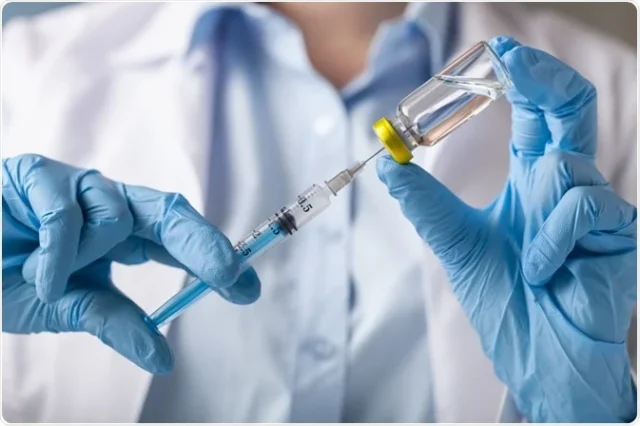
For instance, the tetanus vaccine is vital for pregnant women, as it protects both the mother and the fetus during pregnancy, delivery, or injury. Tetanus can result from various situations, including surgeries like C-sections, making vaccination indispensable for health and safety, said Dr Kothari.
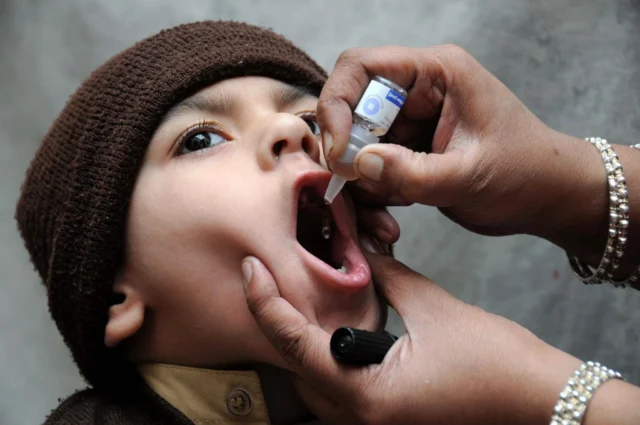
“Although polio has been largely eradicated, localized outbreaks in regions like Pakistan remain a concern. Such outbreaks risk reintroducing the virus to unaffected countries via immigrants or contaminated water. Adhering to immunization protocols is crucial to keeping the world polio-free” said Dr Kothari.
Types of Vaccines:
- Inactivated Vaccines:
These vaccines are made by inactivating pathogens using heat or chemicals, ensuring they cannot replicate. The immune system recognizes the inactivated pathogen and builds immunity. Inactivated Vaccines are used for Polio (IPV), Hepatitis A, Rabies.
2. Live Attenuated Vaccines
This use weakened forms of viruses or bacteria that cannot cause disease in healthy individuals. They stimulate a strong and long-lasting immune response. Examples include vaccines for measles, mumps, rubella (MMR), chickenpox, and yellow fever.
3. Toxoid Vaccines
Toxoid vaccines target toxins produced by bacteria or viruses rather than the pathogen itself. While they don’t provide lifelong immunity, booster shots help maintain protection. Toxoid vaccines are used to create immunity against diphtheria and tetanus.
4. Subunit Vaccines:
Subunit vaccines use only part of a target pathogen to provoke a response from the immune system. This may be done by isolating a specific protein from a pathogen and presenting it as an antigen on its own. It is used for Hepatitis B.
5. Conjugate Vaccines
These vaccines combine pieces of bacterial coats with a carrier protein to enhance immune response. They are particularly effective against bacterial infections like Haemophilus influenzae type b (Hib).
6. mRNA Vaccines
A breakthrough in vaccine technology, mRNA vaccines use genetic instructions to trigger an immune response. They are safe, quick to develop, and highly effective. COVID-19 vaccines like Pfizer-BioNTech and Moderna are prime examples.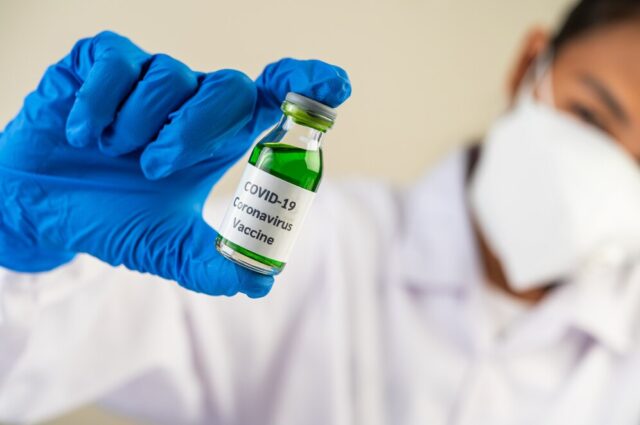
7. Viral Vector Vaccines
These vaccines use a modified virus (the vector) to deliver genetic material from the target pathogen into cells. This approach has been used for Ebola and COVID-19 vaccines, with ongoing research into its application for diseases like Zika and HIV.
The Importance of Vaccines:
- Disease Prevention: Protects individuals from serious illnesses and reduces the risk of outbreaks.
- Herd Immunity: When a large part of the population is vaccinated, it limits the spread of disease, protecting those who cannot be vaccinated.
- Eradication of Diseases: Vaccines have eradicated diseases like smallpox and nearly eliminated others, such as polio.
- Economic Benefits: Preventing diseases reduces healthcare costs and lost productivity.
- Improved Quality of Life: Vaccines reduce morbidity and mortality rates, enabling healthier communities.