


Microplastics—tiny plastic particles often as thin as a human hair, typically less than 5 millimetres in size—have quietly invaded our lives. They’re in our food, water, air, and even our bodies.
These particles have infiltrated the human body and have been found in nearly every organ, from the liver to the stomach, and even in brain and blood vessels. Studies estimate the average human body may contain 5 grams of microplastics—the weight of a credit card. Small lifestyle shifts can help reduce that load.
While scientists are still studying their long-term health effects, early research suggests it may be wise to limit exposure where possible. Here’s how you can start:
- Avoid Microwaving in Plastic
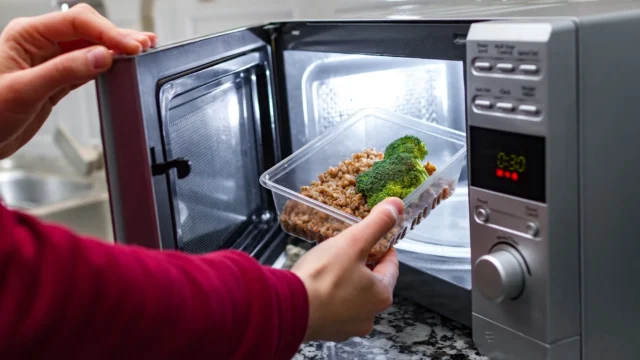
Heating food in plastic containers can cause chemicals like BPA to leach into your food. Instead, opt for microwave-safe glass or ceramic containers.
2. Bring Back Traditional Dabbas
Swap out plastic tiffin boxes and storage containers for glass or stainless steel. Even replacing plastic cutting boards with wooden ones can lower your exposure.
3. Say No to Plastic Tea Bags
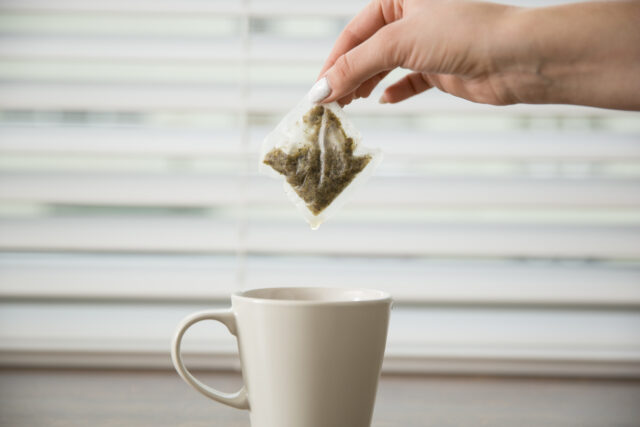
Some tea bags are sealed with plastic, which can release microplastics when steeped in hot water. Switch to paper tea bags or better yet, loose-leaf tea with a steel infuser.
4. Choose Less-Processed Foods
Highly processed foods, like frozen nuggets, may contain higher levels of microplastics. Whenever possible, buy fresh, unpackaged produce and cook at home.
5. Filter Your Drinking Water

A study found that bottled water can contain up to 250,000 nanoplastic fragments per litre. Use a good quality water filter at home and store water in glass or metal bottles.
6. Regularly Dust and Vacuum
Microplastics make up 39% of household dust. Reduce exposure by vacuuming and dusting weekly, and using air purifiers or filters designed to capture microplastic particles from your indoor environment.
7. Wear Natural Fibres

Synthetic clothes made from polyester or nylon shed microplastics with every wash. Choose clothing made from cotton, linen, or wool.
8. Stop Chewing Gum
Yes, even chewing gum can be a source of microplastics—up to 100 particles per gram! Opt for natural alternatives if you enjoy chewing.
By implementing these simple changes, you can significantly reduce your exposure to microplastics and contribute to a healthier environment.