
Firecrackers and other pollutants during Diwali make pregnant women and babies more susceptible to hazardous air and respiratory and heart disorders.
As Diwali approaches, the festive spirit brings celebrations, family gatherings, and bright lights. However, the festival also sees a significant rise in air pollution levels, due to the increased use of firecrackers and other pollutants. This rise in pollution can have profound health impacts, particularly for vulnerable groups like pregnant women and infants. Here’s how Diwali pollution affects expecting mothers, babies, and how to stay safe during this festive season.
- Impact on respiratory health
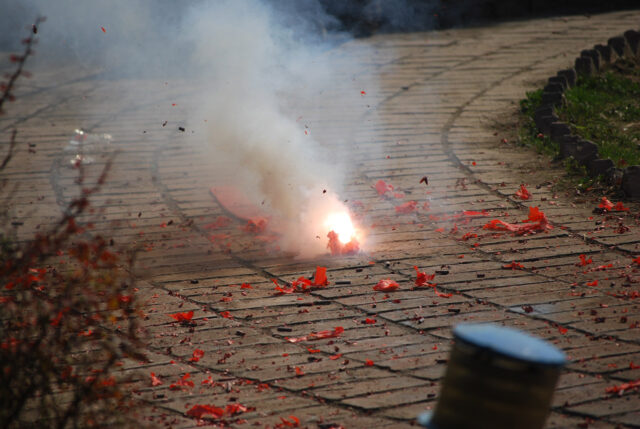
Diwali is synonymous with fireworks, but such celebrations contribute to air pollution by releasing particulate matter (PM10 and PM2.5), sulphur dioxide, nitrogen oxides, carbon monoxide and metal particulates. The pollutants in the air can get inside the lungs and affect breathing. Pregnant women are vulnerable to toxic air and can get severely affected, resulting in symptoms like coughing, wheezing, and shortness of breath.
- Effects on fetal development:
Studies have shown that exposure to air pollution can affect fetal development, as toxic particles enter the bloodstream, leading to inflammation and reduced oxygen supply to the fetus. This exposure increases the risk of preterm birth, low birth weight, and even developmental issues.
- Risks for newborns and babies
Newborns and babies are particularly vulnerable to polluted air due to their developing respiratory and immune systems. Exposure to toxins like nitrogen dioxide and sulphur dioxide can cause lung irritation, increasing the risk of asthma, bronchitis, and pneumonia. Poor air quality can also disrupt sleep, making babies more irritable and prone to restlessness, colic, and feeding difficulties.
- Cognitive issues in children
Studies have shown a disturbing connection between air pollution and neurodevelopmental issues in children. Babies born to mothers exposed to high levels of air pollution during pregnancy may have a higher risk of cognitive impairments and behavioural problems later in life, such as attention deficit issues, delayed learning, and lower IQ scores.

- Increased risk of heart problems
Air pollution has been linked to increased blood pressure, irregular heartbeat, and even heightened risk of heart attacks. The fine particles in polluted air can penetrate deep into the bloodstream, impacting heart health. Those with pre-existing heart conditions and pregnant women with asthma are particularly vulnerable, as pollution can trigger heart-related events, leading to complications.
- Eye Irritation and Allergies:
Pollutants like sulphur dioxide and nitrogen dioxide, along with dust, can cause redness, itching, and watering of the eyes. Long-term exposure can also increase the risk of conjunctivitis and other infections.
- Increased Stress Levels:
Poor air quality during Diwali can also lead to physical stress and pregnancy-related complications. Headaches, fatigue, and anxiety can be heightened, impacting mental well-being.
How to Protect Yourself This Diwali
- Stay Indoors During Peak Pollution: Keep windows closed and avoid outdoor exposure, especially in the evenings when pollution levels are highest.
- Use an Air Purifier: Invest in a high-quality air purifier with HEPA filters to keep indoor air as clean as possible.
- Use Masks Outdoors: For essential outdoor visits, pregnant women should wear N95 masks to protect against fine particulate matter.
- Keep Babies in Well-Ventilated Rooms: Avoid overcrowded or poorly ventilated spaces and maintain clean air with purifiers or indoor plants that are safe for babies.
- Hydrate and Nourish: Staying hydrated helps to detoxify the body. Pregnant women and nursing mothers should drink plenty of water, and ensure babies are fed frequently to maintain hydration.
- Use Saline Drops and Gentle Cleansers: For babies with irritated eyes or nasal congestion, consult a doctor for saline drops or gentle cleansers to ease discomfort.
Diwali is a time of joy and celebration, but it’s essential to be aware of the health risks associated with increased air pollution. By taking simple precautions, you can enjoy the festivities while safeguarding you and your loved ones’ health.