

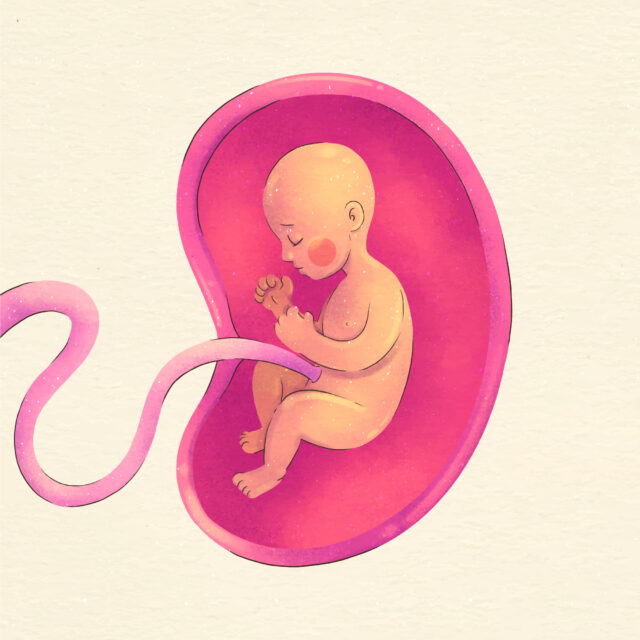
In a recent opinion article published in Trends in Molecular Medicine, a team of physician-scientists from the University of California San Diego is calling for a reevaluation of how placentas are treated post-birth. They argue that placental pathology, often dismissed as waste, should be routinely examined in obstetric and neonatal care due to its potential to provide critical insights into maternal and infant health.
Senior author Mana Parast, MD, PhD, emphasized the importance of placentas, stating, “They can teach us a lot about not just what went wrong in a pregnancy, but also inform about subsequent pregnancies for the health of the pregnant person and baby.”
The placenta plays a vital role in nutrient and waste exchange between the mother and fetus. Pathological conditions affecting the placenta can have severe consequences, including stillbirths and long-term health issues for both mother and child. The study highlights that placental conditions can indicate risks of small birth size, neurological disorders in infants, and cardiovascular problems like preeclampsia in mothers.
Parast explained that specific lesions in the placenta, such as decidual arteriopathy, may serve as indicators for future cardiovascular diseases in women. Furthermore, examining placentas from preterm infants can facilitate immediate medical interventions, including the rapid identification of fungal infections that could threaten the newborn’s health.
Despite the potential benefits, placentas are often underutilized in clinical settings. The researchers advocate for hospitals to adopt a more comprehensive approach to placental pathology, with some institutions already examining all placentas regardless of pregnancy complexity.
The authors stress that integrating placental evaluations into clinical trials could significantly enhance understanding of the relationship between placental health and maternal-infant outcomes. “If placental pathology isn’t incorporated into these trials, it’s like conducting a cancer trial without pathology — you would be driving blind,” Parast remarked.
The researchers call for increased funding for placental research to unravel the underlying causes of placental issues and to further explore their implications for health. With a growing recognition of the placenta’s role in maternal and neonatal health, experts hope that future medical practices will prioritize this often-overlooked tissue.